
Carpet Cleaning for Seniors: 2026 Costs, Methods & Tips
Last Reviewed: June 2026 | By Sharon O’Day, Senior Advisor | Fact-checked by the Grandfolk Editorial Team





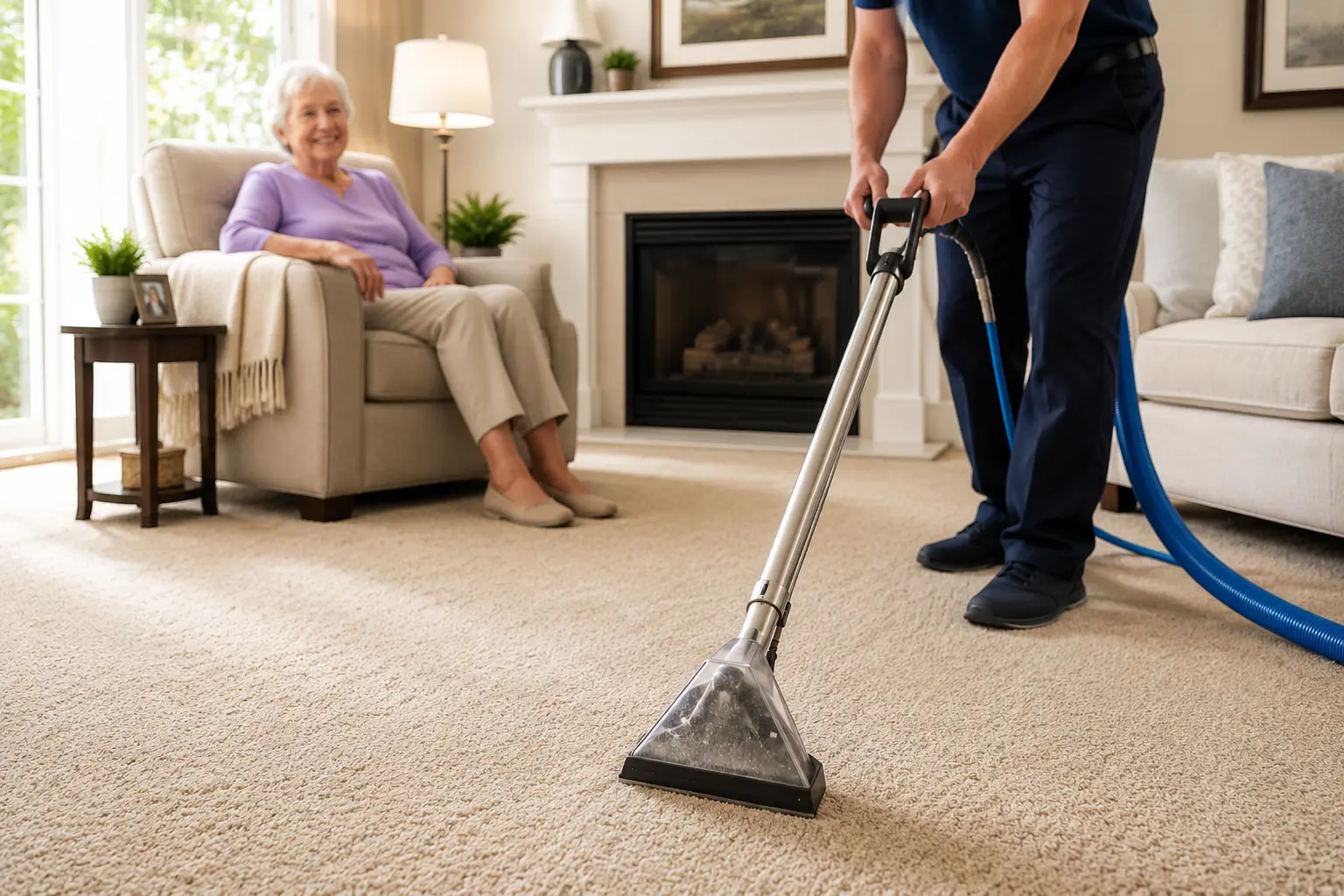
Carpets do quiet work in a home. They cushion morning stretches, give the dog a warm place to sleep, and soften the floor when a grandchild comes to play. They also collect more than we can see. Over a year, a carpet traps dust, pet dander, pollen, and the grit that wears fibers down from the inside.
This guide is written for seniors who want clean, healthy carpets without overpaying or letting the wrong company into their home. Below you will find our top picks, real 2026 prices, the difference between steam and dry cleaning, how often to clean, and how to avoid the scams that target older homeowners.
At a glance: Most homeowners pay between $123 and $242 for a professional cleaning, with a national average near $182. Steam cleaning (hot water extraction) is the most common method and the one most carpet makers recommend. Plan to clean once a year for an average home, or every 6 to 12 months with pets or allergies.
Our top carpet cleaning picks for seniors in 2026
We looked for companies that are easy to book over the phone, clear about pricing, and willing to use low-odor or eco-friendly products on request. National franchises are convenient and consistent; a well-reviewed local company can be just as good and sometimes cheaper.
| Service | Method | Eco-friendly option | Free quote | Established | Best for |
|---|---|---|---|---|---|
| Stanley Steemer | Hot water extraction | Yes | Yes | National franchise | Wide availability, easy phone booking |
| Chem-Dry | Low-moisture (dries fast) | Yes | Yes | National franchise | Faster drying, lighter on water |
| COIT | Steam and dry | Yes | Yes | Long-established | Whole-home and upholstery bundles |
| USA Clean Master | Steam and stain removal | On request | Yes | Regional | Pet stain and odor work |
| A vetted local IICRC cleaner | Varies | Often yes | Usually | Varies | Personal service, supporting local business |
How we evaluate carpet cleaning services
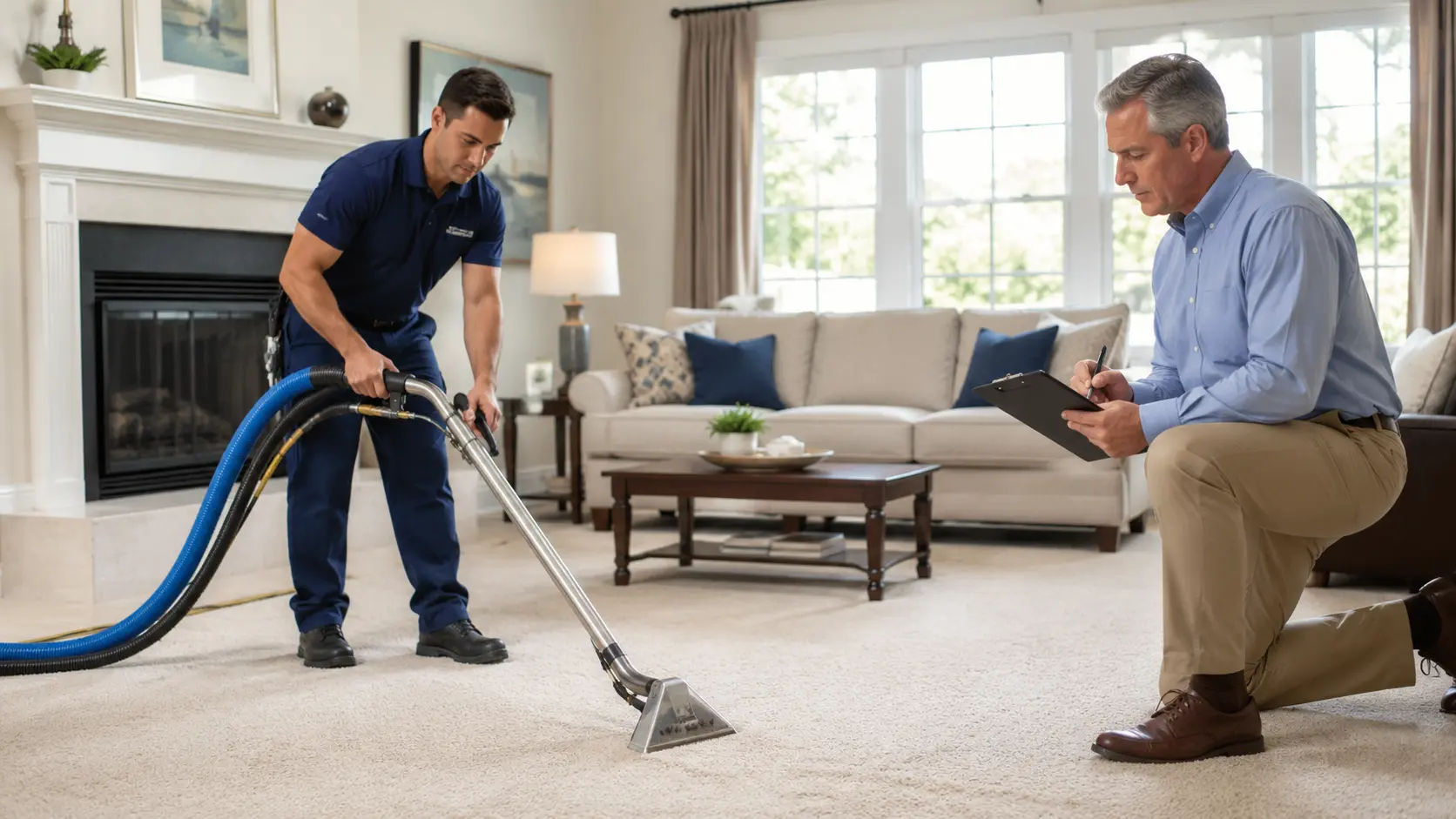
We compare services on the things that matter to an older homeowner: total cost and how clearly it is quoted, the warranty or satisfaction guarantee, how easy it is to schedule and cancel, whether technicians are insured, bonded, and background-checked, and whether the company offers low-odor or eco-friendly products. We favor companies whose technicians hold IICRC certification, the recognized credential for the cleaning trade.
How much does carpet cleaning cost in 2026?
According to Angi, professional carpet cleaning costs about $182 on average, with most homeowners spending $123 to $242. The two common pricing models are per room and per square foot.
Cost per room and per square foot
- Per room: roughly $40 to $125 per room, depending on size and soil level.
- Per square foot: roughly $0.20 to $0.50 for standard cleaning. Delicate fibers like wool, or heavy soil, can push this to $0.75 or more.
- Steam cleaning (hot water extraction): about $40 to $90 per room.
- Minimum charge: many companies set a $75 to $150 minimum for small jobs to cover travel and setup.
A quick example: a 1,000-square-foot area at $0.30 per square foot runs about $300. Whole-home cleaning is usually the best value per room.
Common add-ons and extra fees
| Add-on | Typical 2026 cost |
|---|---|
| Pet stain and odor treatment | $40 to $75+ |
| Furniture moving | $10 to $75, or included |
| Stairs | Priced per step or per flight, ask first |
| Stain protector (Scotchgard type) | Extra, by the room or square foot |
| Same-day or emergency service | $50 to $100 extra |
Steam cleaning vs dry cleaning: which is right for you?
There are two main approaches, and the right one depends on how quickly you need to walk on the carpet again.
- Steam cleaning (hot water extraction) sprays hot water and solution into the carpet and extracts it with strong suction. It cleans deepest and is the method most carpet manufacturers recommend. The trade-off is drying time: plan to stay off the carpet for several hours, and up to 24 hours in humid conditions.
- Dry or low-moisture cleaning (including encapsulation) uses very little water and a cleaning compound. It dries in an hour or two, which is easier if mobility or drying time is a concern, though it is less deep than hot water extraction.
For most homes, hot water extraction once a year, with low-moisture touch-ups in between, is a sensible balance.
How often should seniors clean their carpets?
For an average home, once a year is a good baseline. Homes with pets, smokers, or allergy and asthma sufferers benefit from cleaning every 6 to 12 months, and high-traffic areas may need attention every 3 to 6 months. Many carpet warranties also require professional cleaning on a set schedule, so check your manufacturer’s terms.
One common myth is worth correcting: the EPA has stated that it never issued official carpet-cleaning frequency rules. It recommends following the carpet manufacturer’s guidance and industry standards instead. So treat any the EPA says clean every X months claim with caution.
Carpet cleaning, allergies, and senior health
Carpet acts like a filter. It holds dust mites, pet dander, pollen, and mold spores until foot traffic stirs them back into the air. For anyone with asthma, COPD, or allergies, that matters. Regular professional cleaning with hot water extraction removes far more of this buildup than vacuuming alone.
If you are sensitive to strong chemicals, ask for low-odor or eco-friendly cleaning products. A weekly vacuum with a HEPA filter between professional cleanings keeps allergen levels down. Beyond the health benefit, a freshly cleaned carpet simply makes a home feel lighter, which is its own kind of medicine.
How to choose a trustworthy carpet cleaning company
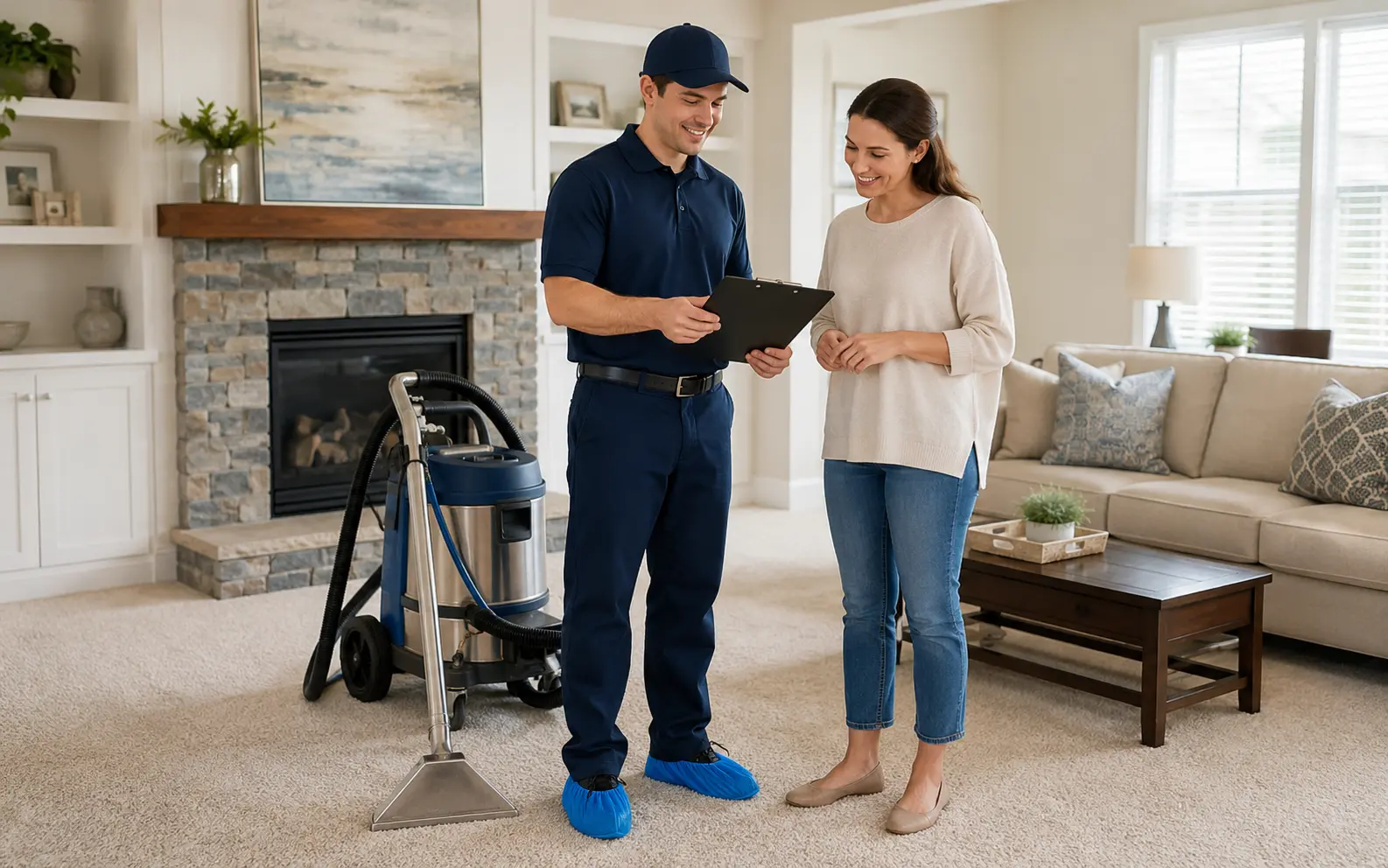
Before you let anyone into your home, run through this checklist:
- Insured and bonded: Ask for proof. This protects you if something is damaged.
- Background-checked technicians: A reputable company screens its employees.
- Written quote: Get the price in writing, including any add-ons, before the work starts.
- IICRC certification: This signals trained technicians. You can also look for companies recognized by the Carpet and Rug Institute.
- Real reviews: Check the Better Business Bureau for the local franchisee, not just the national brand, and ask for local references.
- Satisfaction guarantee: Most good companies will re-clean any area you are unhappy with.
If you already use a house cleaning service, ask whether they offer carpet cleaning, then compare their quote against two others.
How to spot and avoid carpet cleaning scams
Older homeowners are a frequent target, so a few rules keep you safe:
- Never hire anyone who knocks on your door offering carpet cleaning. Legitimate companies do not work that way.
- Be wary of a price far below the rest. The classic bait-and-switch advertises a low room rate, then pressures you into expensive necessary add-ons once the equipment is inside.
- Do not pay in full up front. A deposit may be reasonable; the full amount before any work is not.
- Get the company name, address, and quote in writing and confirm it matches the truck and the technician who arrives.
How to prepare for your appointment
A little preparation makes the visit smoother:
- Clear small items off the carpet. If bending or lifting is hard, ask a family member or an in-home care helper, or pay the company to move furniture.
- Let the company move heavy pieces. They have teams and equipment for it.
- Secure pets in another room.
- Plan for drying time. With steam cleaning, keep off the carpet for several hours and wear house shoes until it is dry.
DIY vs hiring a professional
Renting a machine from a home-improvement store costs about $30 to $50 a day plus solution. It can work for a small refresh, but it means moving furniture, hauling heavy equipment, and waiting on slow drying, and rental machines rarely clean as deeply as professional extraction. For most seniors, the cost of a professional is worth avoiding the strain.
Frequently asked questions
How much does professional carpet cleaning cost in 2026?
About $182 on average, with most homeowners paying between $123 and $242. Expect roughly $40 to $125 per room or $0.20 to $0.50 per square foot, depending on size, method, and soil level.
How often should seniors clean their carpets?
Once a year for an average home, and every 6 to 12 months if you have pets, allergies, or asthma. High-traffic areas may need cleaning every 3 to 6 months.
Is steam cleaning or dry cleaning better?
Steam cleaning (hot water extraction) cleans deepest and is what most carpet makers recommend. Dry or low-moisture cleaning dries much faster, which can be easier if you cannot stay off the carpet for long.
How long does carpet take to dry?
After steam cleaning, usually a few hours, and up to 24 hours in humid conditions. Low-moisture methods dry in about one to two hours.
Does carpet cleaning help with allergies?
Yes. Professional cleaning removes dust mites, pet dander, and pollen that vacuuming leaves behind. Ask for low-odor or eco-friendly products if you are sensitive.
How do I avoid carpet cleaning scams?
Never hire a door-to-door cleaner, be suspicious of unusually low prices, get the quote in writing, and do not pay the full amount before the work is done.
The bottom line
For most seniors, the best choice is a clearly priced, insured, IICRC-certified company, booked once a year, using hot water extraction and gentle products on request. Get three written quotes, check the local reviews, and you will have clean, healthy carpets without the stress or the surprise charges.

Sharon O'Day - Senior Advisor
Sharon O'Day is the Health editor at Grandfolk, where she commissions and reviews fitness, wellness, and senior-care content for accuracy, clarity, and real-world usefulness. At 60-plus, she writes for older adults from lived experience, testing the advice against the questions she and her peers actually ask. She focuses on guidance that is honest about both the benefits and the limits, and that always points readers back to their own doctor for personal decisions.