
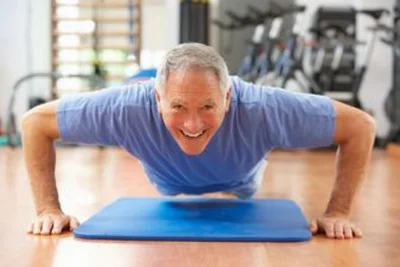
Exercises for the Stay-at-Home Independent Senior





Definition
One can perform many exercises within and around the house, but safety should be the first consideration. That said, if a stay-at-home senior wants to begin an exercise regimen, they are strongly encouraged to check with their doctor to ensure there is no potential for worsening a known medical condition.
Introduction
Many older adults know that a good defense against aging is a good offense. In other words, seniors earning retirement age or are already retired see they need to become extra vigilant regarding their health, happiness, and overall well-being. An older adult in this category also inherently recognizes that safety is critical the higher one’s age, especially if they want to maintain independent living and age in place as long as possible. That is why being proactive and exercising can help a senior stay home longer while enjoying all that independent living offers.
Exercise Regimens And Considerations For The Stay-At-Home Independent Senior
Primary care providers and medical professionals define independence in a multitude of ways. Generally, a senior who can walk, eat, shower, bathe, dress, get in and out of bed, stand seated, and use the bathroom is deemed independent. While all of that may seem easy now, taking the necessary precautions to maintain that standard of living is imperative if one wants to continue living solo.
A physician can tailor an older adult’s exercise program to their needs to keep them in place safely. A final consideration might be adopting a mobile medical alert device or similar wearable technology that could aid in a rescue should the senior be out on a walk and feel short of breath or experience an unfamiliar pain where there was none previously.
Solutions:
- Mental health benefits: An older adult does not have to go to a fancy gym to get fit, as there are a multitude of household items that can double as weights (soup cans), aerobics classes (staircases), squat machines (chairs) and yoga (stretching for items). Walking at different places is also an option if it is done safely with tight-visibility clothing and a cell phone or similar device that can act as a medical alert in an emergency.
- Socializing: Another knock-on effect of exercising is outside-the-box thinking that can help ward off Alzheimer’s and other similar diseases. One can take inexpensive classes to get out and socialize, such as badminton, tennis, golf, swimming, water aerobics, and dancing.
- Health: Pairing exercise with a balanced diet and a safety device means seniors can improve their mobility, flexibility, and balance more quickly. These factors can help seniors remain independent, help them lose weight, and potentially reduce the negative impacts of a chronic illness like type II diabetes.
Conclusion
There are many exercise options available for seniors. These might include single-leg stands for balance, walking, reaching, lunges, wall pushups, leg raises, biking, swimming, or dancing. Truly, the possibilities are limitless but should be paired with prudent advice from a doctor and a medical alert device. The best way to maintain independence in aging is to maintain one’s health by eating right and exercising moderately. Seniors are also strongly encouraged to seek out any free courses or classes in their area, as they could offer the opportunity to exercise in a safe space and meet other folks looking to maximize their health.

Kate Papenberg - Senior Advisor
Kate is senior researcher with Grandfolk® providing in-depth product and service reviews to empower senior buying decisions.