
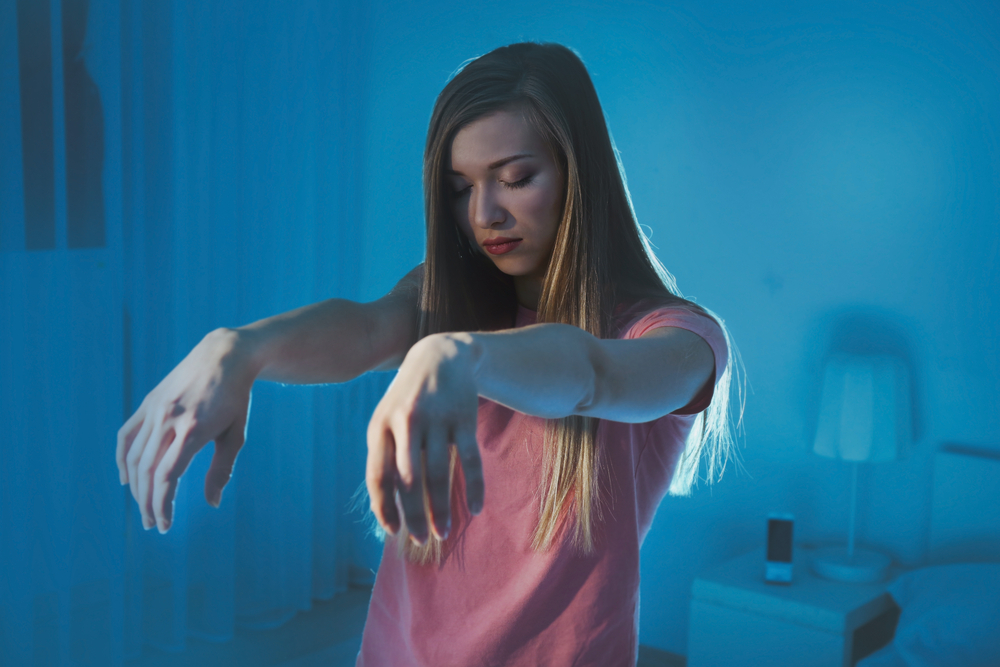
Sleepwalking in the Elderly: Symptoms, Dangers and Prevention





Definition
Somnambulism refers to the common sleeping disorder known as sleepwalking. In many cases, medical conditions are an underlying cause of the problem. In some instances, sleepwalking may be caused by anxiety, fatigue, lack of sleep, and alcohol. Fortunately, there are several steps that can be taken to reduce the impact of sleepwalking.
Introduction
Sleepwalking is characterized as a sleeping disorder that occurs when a person walks or performs activities when they are still sleeping. Sleepwalking is most commonly associated with children; however every age group, including seniors, may experience it. Each night, our body goes through several categories of sleep cycles. The first cycle involves rapid eye movement (REM). In this cycle, dreaming occurs. In non-REM sleep, sporadic physical movement, such as flailing or kicking, usually occurs. It is in this cycle that sleepwalking occurs.
Medical, emotional and environmental factors can cause sleepwalking. Seniors living with dementia or obsessive-compulsive disorder are at a greater risk of sleepwalking. These episodes usually come and go, but can also be experienced on a regular basis. For cases that appear regularly, a visit to the doctor for a checkup or a sleep lab may be the best option.
Recognizing and Preventing Sleepwalking
1. Symptoms
Sleepwalking usually occurs within a few hours of falling asleep. Sleepwalking usually does not occur during naps, since the needed cycle of sleep is rarely reached during a nap. Sleepwalking episodes can occur sporadically, and an episode can last for several minutes. A senior who is sleepwalking may get out of bed and walk around. Though their eyes are open, they will have a glassy-eyed and glazed over expression.
During bouts of sleepwalking, seniors may complete routine activities, such as talking, getting dressed, eating or leaving the house. They will be difficult to wake during an episode and they may not respond or communicate with others when spoken to. If they are awakened, they will appear to be confused or disoriented; in some instances, they may become violent. Furthermore, the senior will likely not remember the sleepwalking episode the next morning.
2. Dangers
Sleepwalking itself isn’t necessarily a safety concern, but a person who sleepwalks is at risk of hurting themselves, especially if they walk near stairs. There have also been cases when sleepwalkers have wandered outdoors during episodes, walked into roads, or even attempted to drive while sleeping. In some cases, fires were started by sleepwalkers who were attempting to cook while sleeping. In addition to completing tasks, some people have reported that the sleepwalkers were very violent during their episodes, causing pain to others. Due to sleepwalking, seniors may experience prolonged periods of sleep disruptions, which may lead to excessive daytime sleepiness.
3. Prevention
In most cases, sleepwalking doesn’t require a specific treatment plan. However, if a senior is suffering from the condition, a physician should be consulted so that the medical history can be reviewed. It’s a common myth that a sleepwalker shouldn’t be awakened during an episode. Although they may be disoriented and confused, waking them would be a better option than letting them unknowingly walk into harm’s way. Seniors who are sleepwalkers are especially accident prone, which may justify the purchase of a safety device. A medical alert fall detection pendant or a bed alarm may serve as great options. Fall detection pendants are offered by several medical alert companies and can prove to be a huge relief for both the senior and loved ones.
Bed alarms come in many varieties; some use a pull cord while others utilize a pressure pad or motion detector to determine whether the senior has left the bed. To reduce the dangers associated with sleepwalking, it is important to create a safe sleep environment for the senior. Sharp or breakable objects should be removed from the immediate areas surrounding the bed. To prevent falls, safety gates should be installed on stairways and doors, and windows should be locked to prevent the senior from exiting the home. Sleep deprivation often plays a role in sleepwalking, so increasing the senior’s allotted sleep time can be beneficial. Experts also recommend establishing a calming routine prior to bedtime.
Conclusion
If a senior is experiencing bouts of sleepwalking, it may be appropriate to seek medical help, since seniors are at greater risk of hurting themselves during sleepwalking episodes. A medical professional might also suggest that the senior undergo some examinations to rule out other possible medical conditions such as obstructive sleep apnea, which may increase the risk of sleepwalking. The senior may also be referred to a sleep specialist to analyze and measure brain waves, breathing rhythms and heartbeat.
Adopting a healthier lifestyle and sleep habits can help minimize occurrences of sleepwalking episodes. Modifications such as earlier and regular bedtimes, implementing relaxation techniques before bedtime, avoiding caffeine, and avoiding going to bed soon after eating a meal may also help to minimize occurrences of sleepwalking episodes. As a last resort, some seniors are advised to use sedatives on a short-term basis, but be sure to check with your doctor first.
Frequently Asked Questions
What are some common sleep disorders in adults, and what causes them?
Sleep disorders are conditions that disturb normal sleep patterns. The most common in adults are insomnia, sleep apnea, restless legs syndrome, and narcolepsy. They can be caused by various factors, including physical illnesses, neurological disorders, medications (especially certain drugs like antidepressants), and lifestyle factors.
How is parasomnia different from other sleep disorders, and what behaviors does it involve?
Parasomnia is a category of sleep disorder that involves abnormal movements, behaviors, emotions, perceptions, or dreams. These behaviors occur while falling asleep, sleeping, between sleep stages, or during arousal from sleep. Examples include sleepwalking, night terrors, and REM sleep behavior disorder. Unlike disorders such as insomnia or sleep apnea, parasomnia doesn’t typically interfere with sleep continuity but may cause injury to the patient or others due to the actions involved.
What are the available treatments for sleep disorders, and do they include medications?
Treatment for sleep disorders can vary based on the specific disorder and its causes. Treatments often involve behavioral changes, like improving sleep hygiene or cognitive-behavioral therapy. Medications, including sleep aids or antidepressants, can also be part of the treatment. In some cases, like sleep apnea, medical devices or surgery might be necessary.
Are there any resources where someone can find more content or articles on sleep disorders?
There are various online resources available for someone interested in learning more about sleep disorders. Websites like the American Sleep Association, the National Sleep Foundation and medical portals like Mayo Clinic offer a wealth of articles, FAQs, and links to research. It’s also possible to find scholarly articles through databases like PubMed.
What is the link between sleep disorders and other diseases in adults? For example, can a lack of sleep lead to more serious conditions?
Yes, sleep disorders can be linked to a range of other health issues. For example, chronic insomnia is associated with a higher risk of developing psychiatric disorders like depression and anxiety. Sleep apnea, if untreated, can lead to heart disease, stroke, or even car accidents due to daytime drowsiness. Also, parasomnias like REM sleep behavior disorder have been linked to Parkinson’s disease and other neurodegenerative disorders.

T. Mashae Pearson - Senior Advisor
Shae is senior researcher with Grandfolk® providing in-depth product and service reviews to empower senior buying decisions.