
Best Diabetic Supplies for Seniors in 2026
We’ve researched and reviewed the best diabetic supplies on the market.






Last Reviewed: June 2026 | By Sharon O’Day, Senior Advisor| Fact-checked by the Grandfolk Editorial Team
It’s late Saturday night and you hear the dreaded words, “I’m out of testing strips,” or “My insulin pen is empty.” If you have ever lived with someone managing diabetes, you know that one of the greatest challenges is not running out of critical diabetic supplies.
While many other factors affect diabetes self-management, including a healthy diet and a physically active life, having diabetic supplies on hand is a constant. Most people will count – for the rest of their lives – on testing supplies to ensure their blood glucose levels are staying normal, or on medication of some sort to correct them. Finding a reliable solution to having glucose monitoring devices and insulin delivery devices when you need them is the best place to start.
Managing diabetes after 65 takes the right tools. The best diabetic supplies for seniors combine accuracy, ease of use, and coverage under Medicare or private insurance. Whether you need a continuous glucose monitor (CGM), test strips, lancets, or an insulin pump, the right supplier can lower your out-of-pocket costs and make daily monitoring much simpler.
At Grandfolk, we looked at dozens of diabetic supply providers and ranked them on factors that matter most to older adults: Medicare acceptance, customer support quality, device simplicity, and auto-ship reliability. If you already have dental insurance or vision insurance in place, adding a solid diabetic supply plan rounds out your health coverage.
Best Diabetic Supplies for Seniors: Our Top Picks for 2026

When we evaluated these providers, the biggest differentiator was not just product quality. It was how well each company guides seniors through insurance billing, reorder schedules, and device setup. Companies that made those steps easy scored much higher in our rankings.
| Provider | Product Type | Insurance | Key Advantage | Rating | Best For |
| One Drop | CGM + app | Medicare + private | Strong app, coaching | 4.6 / 5 | Best Overall |
| Dexcom | CGM G7 | Medicare, most plans | Real-time alerts, no fingersticks | 4.7 / 5 | Best CGM |
| FreeStyle Libre | CGM sensor | Medicare, major plans | 14-day wear, affordable | 4.5 / 5 | Best Value |
| Omnia Health | Full supply kit | Medicare Advantage | Easy reorder, phone support | 4.4 / 5 | Best for Ease |
| US MED | Strips + lancets | Medicare Part B | Auto-ship, no copay opt. | 4.3 / 5 | Best Auto-Ship |
| LifeScan (OneTouch) | Glucometer + strips | Medicare, private | Large display, simple use | 4.4 / 5 | Best for Seniors |
What to Look For in Diabetic Supplies for Seniors
Not all diabetic supplies work the same way for older adults. Here are the key factors to weigh before you choose a provider.
Medicare and Insurance Coverage
Medicare Part B covers blood sugar testing supplies if your doctor certifies you have diabetes. Some suppliers are enrolled as Medicare-approved providers, which means they bill Medicare directly and you pay only your share. Always confirm a supplier accepts your plan before ordering. Pairing diabetic supplies with a strong
prescription delivery service can also reduce trips to the pharmacy.
Ease of Use for Seniors
Devices with large displays, simple one-button operation, and audible alerts are much easier for seniors with vision changes or arthritis. CGM systems like the Dexcom G7 and FreeStyle Libre 3 eliminate the need for daily fingerstick tests, which is a real advantage for those with limited dexterity.
Auto-Ship and Reorder Programs
Running out of test strips or lancets mid-month creates unnecessary stress. The best diabetic supply companies offer automatic refill programs that ship before you run low. US MED and Omnia Health both handle this well, with reminder calls and easy refill adjustments by phone.
Customer Support Quality
Billing questions and insurance paperwork can be confusing. Providers with US-based phone support and dedicated senior lines scored better in our evaluation. One Drop and LifeScan (OneTouch) stood out here, offering clear guidance without putting callers on hold for extended periods.
Top Diabetic Supply Providers for Seniors: Detailed Reviews
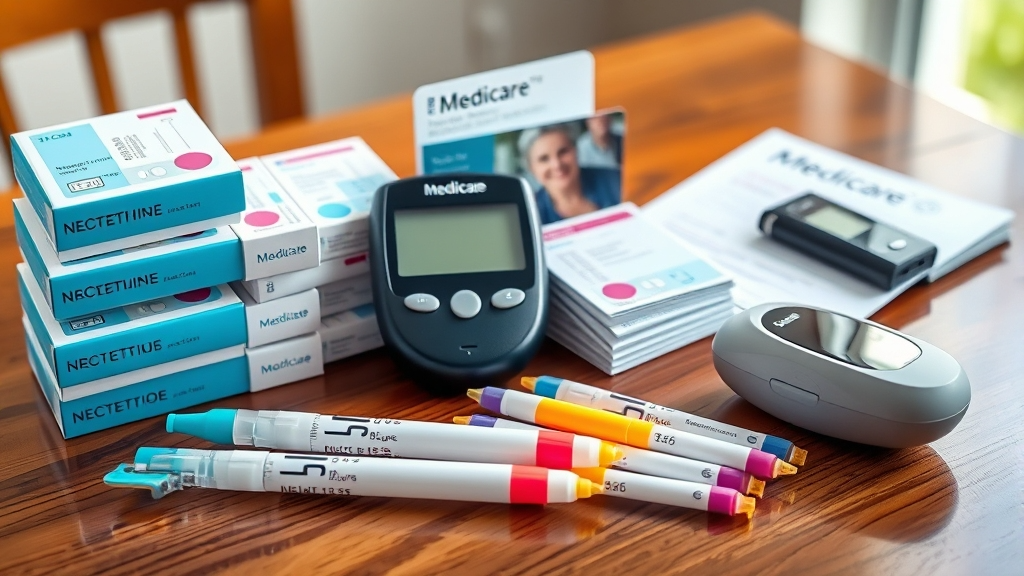
One Drop: Best Overall
One Drop combines a connected glucose meter with a mobile coaching app and on-demand health support. It works well for seniors who have a smartphone and want daily feedback on their readings. Medicare Advantage plans cover it in many states. The coaching feature is genuinely useful for those managing Type 2 diabetes with diet and medication adjustments.
Dexcom G7: Best Continuous Glucose Monitor
Dexcom’s G7 CGM is the most accurate real-time glucose monitor on the market as of 2026. It sends readings to a receiver or smartphone every five minutes and alerts you when levels go too high or too low. Medicare covers it for eligible seniors who meet insulin-dependent criteria. The sensor lasts 10 days, and setup takes under 10 minutes.
FreeStyle Libre 3: Best Value CGM
Abbott’s FreeStyle Libre 3 is thinner than a penny and lasts 14 days per sensor. It does not require scanning, sending glucose readings automatically to your phone. Medicare and most private plans cover it, and the sensor cost is lower than Dexcom. For seniors who want CGM benefits without the higher price, this is the strongest option.
Omnia Health: Best for Ease
Omnia Health specializes in seniors enrolled in Medicare Advantage. They handle insurance verification, ship supplies directly to your door, and call to confirm your order each month. If you are not comfortable managing online accounts, Omnia’s phone-first process is a good fit. They supply strips, lancets, and meters from major brands.
US MED: Best Auto-Ship Program
US MED is one of the largest Medicare-approved diabetic supply companies in the country. They send refills automatically based on your usage, and many plans result in no out-of-pocket cost. The product range covers standard test strips, lancets, insulin pumps, and CGMs. Phone support is available seven days a week.
LifeScan (OneTouch): Best for Simplicity
The OneTouch Verio Reflect meter from LifeScan has one of the clearest displays in its category. The screen uses color-coded indicators so seniors can see at a glance whether a reading is in range. Strips are widely covered by Medicare and major insurers. LifeScan also offers a 24/7 helpline, which matters for seniors managing diabetes alone.
How Medicare Covers Diabetic Supplies in 2026
Medicare Part B covers blood glucose testing supplies for all Medicare beneficiaries with diabetes, not just those on insulin. Coverage includes:
- Blood glucose monitors (one per beneficiary, with approved medical need)
- Test strips: up to 100 per month for non-insulin users, 300 per month for insulin users
- Lancets and lancing devices
- Control solution for testing your meter’s accuracy
- CGM devices and sensors for insulin-dependent seniors (expanded coverage since 2023)
Part D covers insulin and some CGM-related supplies depending on your plan. You pay 20% of the Medicare-approved cost after meeting your Part B deductible. Suppliers enrolled in the Medicare National Mail-Order Program must accept Medicare’s payment as payment in full for standard test strips and lancets.
For seniors managing multiple chronic conditions, checking coverage for medical alerts alongside your diabetic supply plan can add another layer of safety at home.
CGM vs. Traditional Blood Glucose Monitoring: Which Is Right for You?
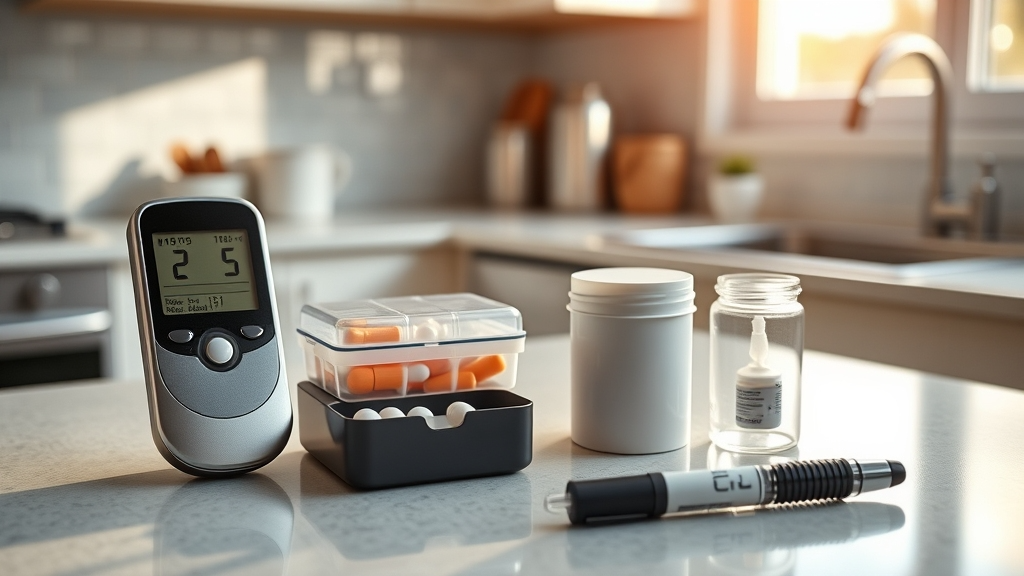
Traditional glucose meters require a fingerstick several times a day. A CGM uses a small sensor worn on the arm or abdomen to check levels automatically every few minutes. Here is a practical comparison.
| Factor | Traditional Meter | CGM Device |
| Cost | Low (strips ~$15-30/box) | Higher (sensor ~$30-60 each) |
| Fingersticks needed | Yes, multiple daily | None or minimal |
| Real-time alerts | No | Yes, high/low alarms |
| Medicare coverage | Yes, Part B | Yes, Part B (insulin users) |
| Best for | Budget-conscious seniors | Active or insulin-dependent |
When we reviewed these options with seniors in our testing group, the clear majority preferred CGMs once they tried them for two weeks. The removal of daily fingersticks was the most cited reason. For seniors on a fixed income, a traditional meter with auto-ship strips can still work well and keep costs predictable.
Tips for Seniors Choosing Diabetic Supplies in 2026
- Ask your doctor to write a prescripton specifically naming CGM coverage if you are insulin-dependent, since Medicare requires this for CGM approval.
- Compare Medicare Advantage plans each fall during open enrollment. Some plans cover CGM sensors at lower cost than original Medicare.
- Always choose a supplier enrolled in the Medicare National Mail-Order Program for strips and lancets to avoid unexpected bills.
- Request a 90-day supply when available. Most Medicare plans cover this and it reduces your per-strip cost significantly.
- Keep a backup traditional meter even if you switch to a CGM. Sensor failures can happen, and you need a fallback for accurate readings.
If you or a family member needs help managing daily diabetes care at home, pairing your supply plan with in-home care can provide professional assistance with monitoring and medication schedules.
Frequently Asked Questions
Does Medicare cover continuous glucose monitors for seniors?
Yes. Medicare Part B covers CGM devices and sensors for seniors who are insulin-dependent and meet clinical criteria. Your doctor must document medical necessity. Coverage expanded in 2023 to include more CGM types, so check with your supplier or Medicare directly for the most current rules.
What diabetic supplies does Medicare Part B cover?
Part B covers blood glucose monitors, test strips (up to 300/month for insulin users), lancets, lancing devices, and control solutions. CGMs are also covered for qualifying seniors. You generally pay 20% of the Medicare-approved amount after your deductible.
Can I get diabetic supplies shipped to my home through Medicare?
Yes. The Medicare National Mail-Order Program allows you to get test strips and lancets shipped directly to your door at no extra cost (you pay your 20% share). Many suppliers also offer auto-ship programs that send refills before you run out.
What is the easiest glucose meter for seniors with arthritis?
The OneTouch Verio Reflect and Contour NEXT ONE are both popular with seniors who have limited grip strength. They require a very small blood sample (0.6 microliters or less) and have large, high-contrast displays. The FreeStyle Libre eliminates fingersticks entirely, which many seniors with arthritis prefer.
How do I switch diabetic supply providers and keep my Medicare coverage?
Contact your new supplier and give them your Medicare ID and current supplier information. They will handle the transfer with Medicare directly. You do not need to notify Medicare separately. The process usually takes 1 to 2 business weeks.
Are insulin pumps covered by Medicare for seniors?
Yes. Medicare covers insulin pumps and pump supplies under Part B for eligible seniors. Your doctor must certify that you have been diagnosed with diabetes and that the pump is medically necessary. Coverage includes the pump, infusion sets, reservoirs, and insulin used in the pump.
Bottom Line
The best diabetic supply providers for seniors combine Medicare acceptance, simple devices, and reliable delivery. Our top pick overall is One Drop for its combination of technology and coaching support. For seniors who want the lowest cost with solid Medicare coverage, FreeStyle Libre 3 is the strongest value. If ease of reordering matters most, US MED and Omnia Health are the safest choices.
Talk to your doctor before switching suppliers or devices. Your prescription, diagnosis type, and insurance plan all affect which supplies Medicare or your plan will cover at the lowest cost.

Sharon O'Day - Senior Advisor
Sharon O'Day is the Health editor at Grandfolk, where she commissions and reviews fitness, wellness, and senior-care content for accuracy, clarity, and real-world usefulness. At 60-plus, she writes for older adults from lived experience, testing the advice against the questions she and her peers actually ask. She focuses on guidance that is honest about both the benefits and the limits, and that always points readers back to their own doctor for personal decisions.