
DNA Testing for Seniors (2026): Ancestry, Health & Privacy
Last Reviewed: June 2026 | By Sharon O’Day, Senior Advisor| Fact-checked by the Grandfolk Editorial Team






A home DNA test can answer questions that nothing else can: where your family came from, relatives you never knew about, and, in some cases, genetic health risks. The process is simple, order a kit, provide a saliva sample or cheek swab, mail it back, and view results online. But a DNA sample is the most personal data you will ever share, and recent events have shown why the privacy question deserves as much attention as the price. This guide covers both: how to choose a test, and how to protect yourself.
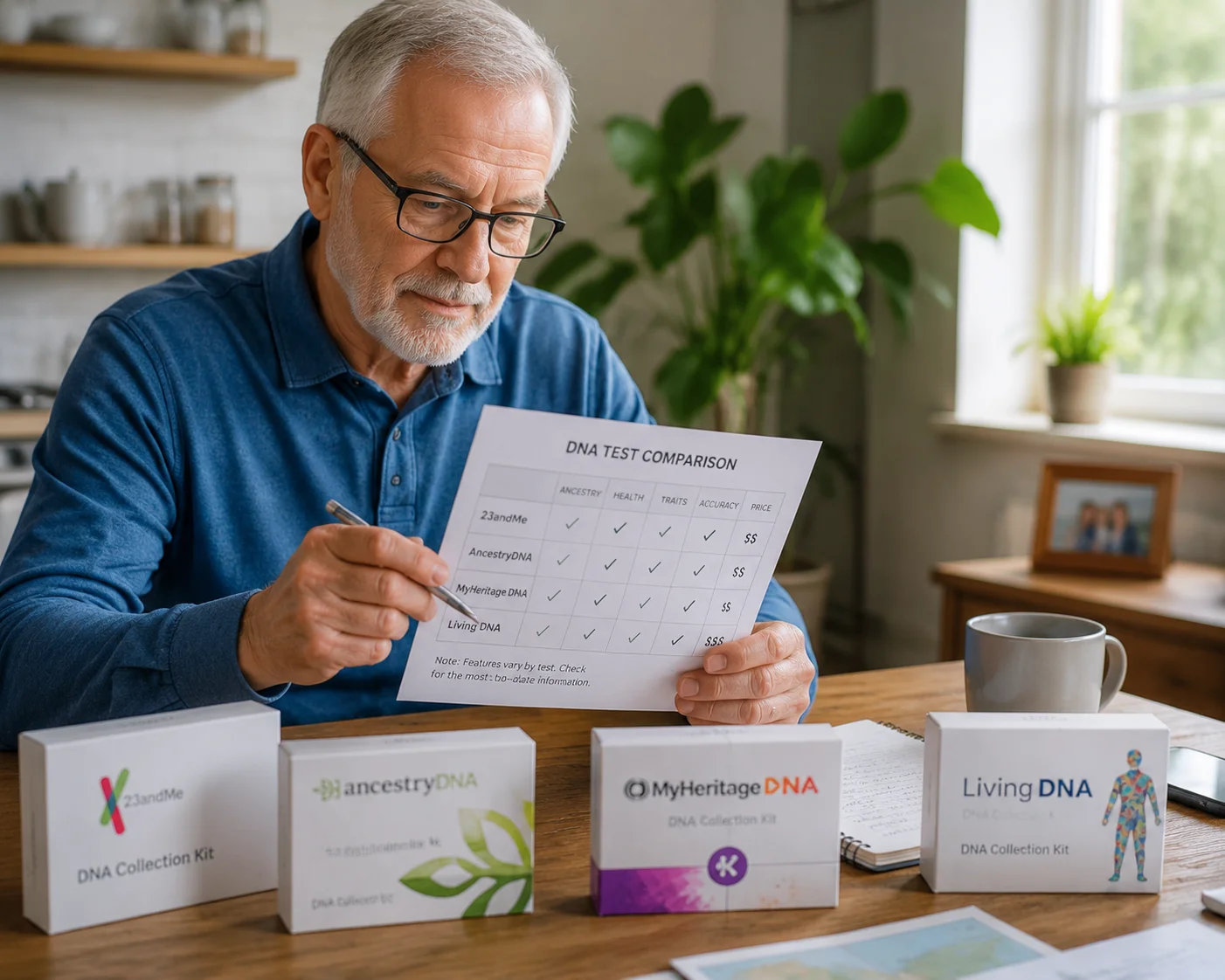
Four companies dominate the consumer market, each with a different strength:
- AncestryDNA has the largest genealogy database, which makes it the best choice for finding relatives and building a family tree.
- 23andMe combines ancestry with FDA-authorized genetic health risk reports (see the privacy note below before choosing it).
- MyHeritage has strong international, especially European, matching, useful if your ancestors came from outside the US.
- FamilyTreeDNA specializes in yDNA and mtDNA tests for tracing direct paternal or maternal lines.
Match the test to your goal: most people start with an autosomal ancestry test (explained below), and add specialized tests only if their genealogy research calls for it.
Your privacy: how to protect yourself before and after testing
A few practical steps lower your risk:
- Read the privacy policy before you buy, specifically how your data is stored, shared, and sold, and whether you can delete it.
- Opt out of research sharing unless you specifically want to participate.
- Use a strong, unique password and turn on two-factor authentication on your testing account.
- Adjust default settings, which are usually the least private, to match your comfort level with relative-matching and profile visibility.
- Delete your data and sample when you are done if you do not need ongoing access.
Can insurers use your DNA?

A common worry is whether a DNA result could be used against you. The Genetic Information Nondiscrimination Act (GINA), a federal law, bars health insurers and employers from using your genetic information against you. But GINA has an important gap that matters for seniors: it does not cover life insurance, disability insurance, or long-term care insurance, so in those areas a company could, in some states, consider genetic information. If you are weighing a health-risk test and also shopping for life insurance or long-term care insurance, understand that distinction first.
The three types of DNA tests
- Autosomal tests cover DNA inherited from all your ancestors, male and female, and are the best starting point for most people.
- yDNA tests examine the Y chromosome, found only in men, and trace the direct paternal line.
- mtDNA tests use mitochondrial DNA, passed from mothers to all children, and trace the maternal line.
If you are new to genealogy, start with an autosomal test; add yDNA or mtDNA only if your research needs them.
How to choose a reputable company
Beyond price, look for:
- CLIA and CAP accreditation listed on the website (industry lab-quality standards). It is not a guarantee, but it shows the lab meets baseline standards.
- A clear description of what the test reports and what sample it uses.
- Database size and reach, larger and more international databases yield more relative matches.
- Transparency about staff and methods (plenty of geneticists, not just marketers).
- A clear, readable privacy policy and easy data-deletion options.
What it costs and how long it takes
Home DNA tests generally cost about $79 to $199, with more comprehensive tests up to around $359; usually, the more markers analyzed, the higher the price. Watch for whether the return mailer is prepaid and whether full results require an ongoing membership. Results typically arrive in about three to five weeks, depending on the company and how busy its lab is.
Health testing and your doctor
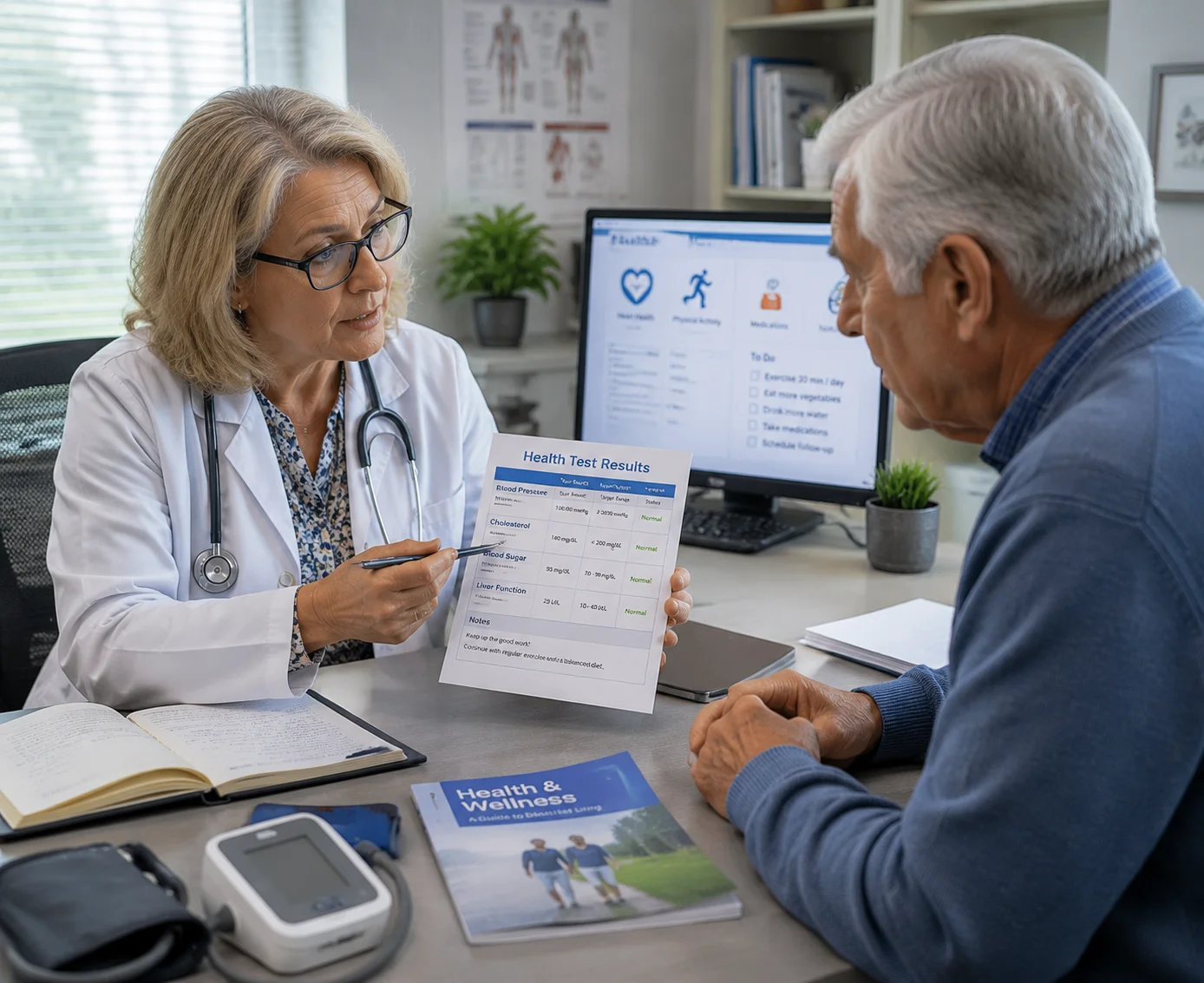
If your main interest is health, consider going through your doctor rather than a consumer kit alone. Consumer health reports (like 23andMe’s FDA-authorized risk reports) can flag predispositions to conditions such as late-onset Alzheimer’s and Parkinson’s, but they assess risk, not a diagnosis, and results can cause unnecessary worry or false reassurance without expert interpretation. A certified genetic counselor can help you understand what a result actually means for you, and clinical testing ordered by a doctor is more appropriate for medical decisions.
Frequently asked questions
Is DNA testing safe and private?
The test itself is safe and simple. The privacy question is more complex: your genetic data can be stored, shared, sold, or breached, as the 23andMe bankruptcy and earlier data breach showed. Read the privacy policy, opt out of research, use strong security, and delete your data when you no longer need it.
What happened to 23 and Me and my data?
23 and Me filed for bankruptcy in 2025, which put the genetic data of about 15 million customers at risk of being sold. After consumer alerts from state attorneys general, many customers deleted their data, and the company was later bought back by its co-founder through a nonprofit. If you tested with 23andMe, you can delete your data and destroy your sample through your account settings.
Can insurance companies use my DNA results?
The federal GINA law prevents health insurers and employers from using your genetic information. However, it does not cover life, disability, or long-term care insurance, so consider that gap before taking a health-risk test if you plan to buy those policies.
What is the best DNA test for ancestry?
AncestryDNA has the largest genealogy database, which makes it strong for finding relatives, while MyHeritage is a good choice for international, especially European, roots. Start with an autosomal test, which suits most people.
How accurate are home DNA tests?
Ancestry estimates are generally reliable for broad regions but less precise for specific countries, and they can shift as databases grow. Health risk reports assess probability, not certainty, so discuss any health result with your doctor or a genetic counselor.
The bottom line
A home DNA test can be a wonderful way to explore your roots and connect with family, and for some people a useful early signal about health. Just treat your genetic data with the care it deserves: choose a reputable, accredited company, read the privacy policy, opt out of research unless you want it, and know how to delete your data later. If your interest is health, bring any results to your doctor or a genetic counselor rather than acting on them alone. Tested wisely, DNA testing offers real rewards without unnecessary risk.
