

Medical alert systems are virtual devices that prioritize safety and well-being, especially for individuals with specific medical conditions. These systems offer additional security and monitoring capabilities by incorporating a heart rate monitor. This comprehensive guide will explore setting up a medical alert system with a heart rate monitor. Following the steps below, you can ensure optimal safety and timely response in potential health emergencies.
Understanding Heart Rate Monitoring
Heart rate monitoring is a critical feature integrated into medical alert systems, particularly beneficial for individuals with specific medical conditions. This functionality allows continuous monitoring of heart rate patterns and facilitates the detection of irregularities. Various types of heart rate monitors, such as wrist-based devices, chest straps, and wearables, provide accurate readings. Choosing the right heart rate monitor depends on individual preferences and requirements, ensuring reliable and consistent monitoring capabilities.
Selecting the Right Medical Alert System
Several factors need to be considered when choosing a medical alert system with a heart rate monitor. These include
- Reliability
- Ease of use
- Range
- Connectivity
- Battery life
- Monitoring services
Some other additional features. It is essential to compare various brands and models to find the system that best suits your needs and provides accurate heart rate monitoring capabilities.
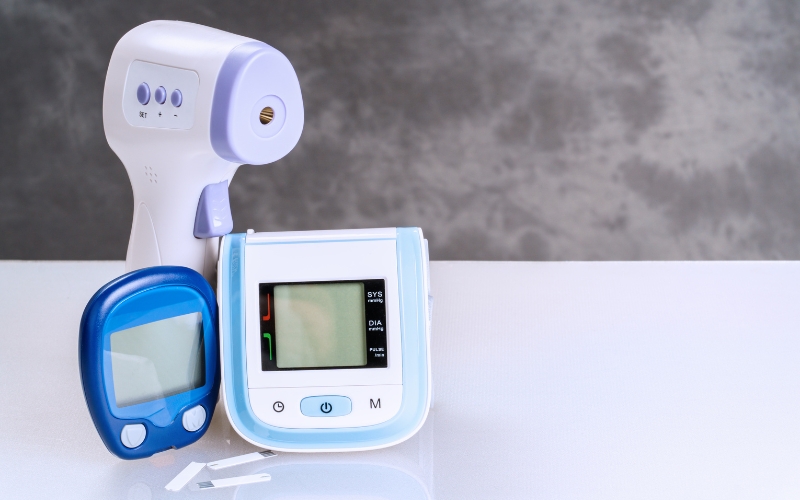
Installation and Setup Process
Setting up a medical alert system with a heart rate monitor is relatively straightforward. Follow these step-by-step instructions to ensure a smooth installation:
- Unbox the medical alert system and heart rate monitor components.
- Choose an optimal location for the base unit, considering its proximity to power outlets and telephone jacks.
- Connect the base unit to a power source and the telephone line.
- Per the manufacturer’s instructions, the heart rate monitor is placed on the wrist or chest.
- Please turn on the system and ensure that it is functioning correctly.
- Test the heart rate monitor’s connectivity with the base unit.

Configuring Heart Rate Monitoring Features
Once the medical alert system is set up, it is essential to configure the heart rate monitoring features. These features may vary depending on the specific model and brand. Here are some common configurations to consider:
- Set personalized heart rate thresholds for alerts and notifications.
- Determine the method of communication for heart rate alerts (e.g., audible alarms, mobile app notifications, or calls to emergency responders).
- Customize the frequency and duration of heart rate monitoring intervals.
Integrating Heart Rate Monitoring with Emergency Response
Heart rate data is vital in providing accurate information to emergency responders during emergencies. The medical alert system should establish seamless communication protocols to respond swiftly. This integration helps emergency services to understand the urgency and severity of the situation, enabling them to dispatch the appropriate level of care.
Maintenance and Troubleshooting
Regular maintenance is essential to ensure the optimal performance of your medical alert system with a heart rate monitor. Here are some maintenance practices to consider:
- Check the battery levels and replace them as needed.
- Clean the heart rate monitor regularly to maintain accuracy.
- Test the system’s functionality periodically, including the heart rate monitoring feature.
- Familiarize yourself with common troubleshooting techniques to address any issues that may arise.
Tips for Maximizing the Benefits of Heart Rate Monitoring
To make the most of your heart rate monitoring feature, consider the following information:
- Ensure proper placement of the heart rate monitors to obtain accurate readings.
- Follow manufacturer guidelines for wearing and maintaining the heart rate monitor.
- Regularly review and analyze heart rate data to identify patterns or irregularities.
- Share heart rate data with healthcare professionals for comprehensive health management.
Ensuring Privacy and Security
Protecting personal health information is crucial when using a medical alert system with a heart rate monitor. To ensure privacy and security:
- Choose a design from reputable brands that prioritize data encryption and user privacy.
- Review the system’s privacy policy and understand how your data is handled.
- Keep software and firmware up to date to benefit from the latest security enhancements.
Conclusion:
Setting up a medical alert system with a heart rate monitor can significantly enhance safety and provide peace of mind, especially for individuals with specific medical conditions. You can ensure timely responses and improved health management by carefully selecting the right system, following proper installation and maintenance practices, and utilizing heart rate monitoring features effectively. Remember to prioritize privacy and security and consult expert websites for additional information and guidance.
Frequently Asked Questions
Q1: Can anyone use a medical alert system with a heart rate monitor?
Yes, while individuals with specific medical conditions benefit the most, anyone concerned about their heart health can use a medical alert system with a heart rate monitor.
Q2: How accurate are heart rate monitors in medical alert systems?
Heart rate monitors in medical alert systems are designed to provide accurate readings. However, following proper placement and maintenance guidelines for optimal accuracy is essential.
Q3: Can a medical alert system with a heart rate monitor detect heart attacks?
While a medical alert system can detect abnormal heart rate patterns, it cannot diagnose heart attacks. If you experience symptoms of a heart attack, seek immediate medical attention.
Q4: Are medical alert systems covered by insurance?
Some insurance providers may offer coverage for medical alert systems. It is advisable to check with your insurance company to understand their policies and coverage options.
Q5: Can heart rate data from a medical alert system be shared with healthcare professionals?
Many medical alert systems allow users to share heart rate data with healthcare professionals, enabling better management of chronic conditions and informed decision-making.