

If you drive an EV, you’ll typically pay 20% to 49% more for insurance than gas car owners. The national average for EV insurance runs about $4,058 annually, compared to $2,732 for gas vehicles. Higher repair costs, expensive battery packs, and specialized parts all push your premiums up. Luxury EVs can cost over $10,000 a year to insure. The good news? There are smart strategies that can help you cut those costs considerably.
Key Takeaways
- EV insurance averages 20% to 49% more than gas vehicles, with a national average of $4,058 annually versus $2,732 for gas cars.
- Higher repair costs drive up premiums, with EV collision repairs averaging $5,840 compared to $4,215 for gas vehicles.
- Battery pack replacements ranging from $12,000 to $22,000 significantly increase insurance risk and overall premium costs.
- Premiums vary based on driving record, location, vehicle value, repair complexity, and available charging infrastructure.
- Savings strategies include raising deductibles, stacking discounts, comparing models, and enrolling in telematics programs.
How Much Does EV Car Insurance Cost?
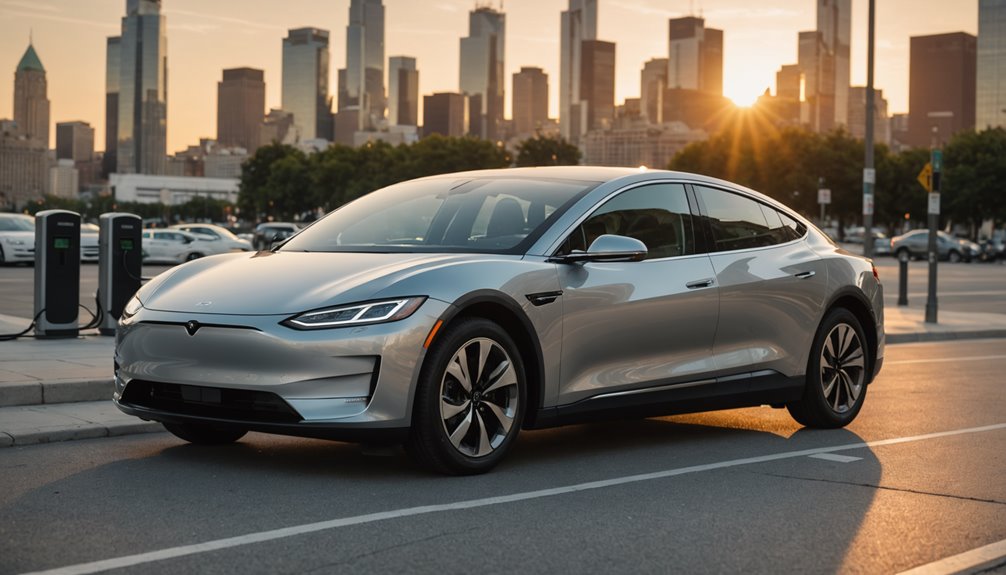
Compared to gas-powered cars, EV insurance runs about 20% to 49% higher on average.
In some states, that gap climbs even further, so it’s worth shopping carefully before you commit to a policy.
The national average annual cost to insure an EV is $4,058 per year, compared to $2,732 for a gas-powered vehicle.
Why EV Insurance Costs More Than Gas Car Coverage
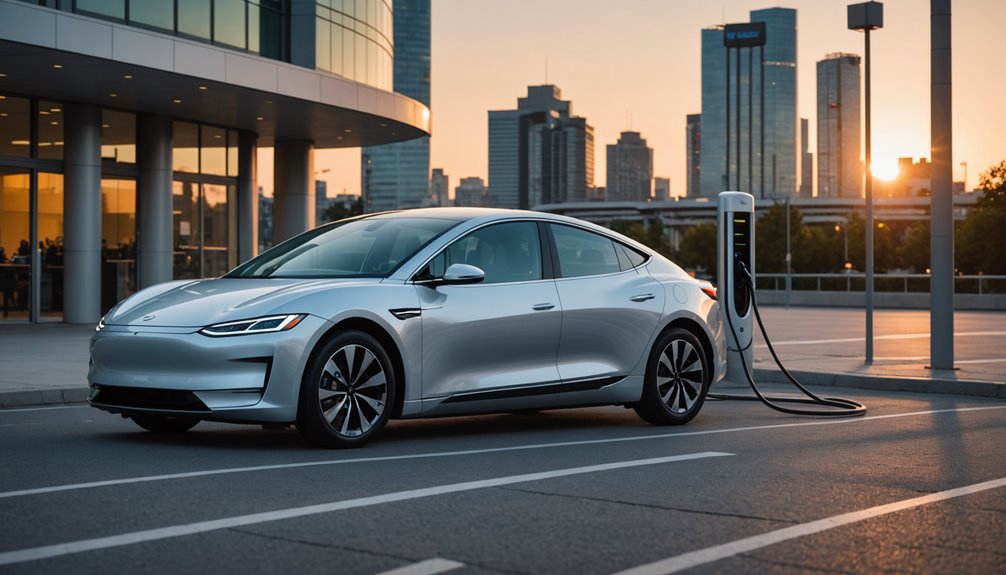
When you insure an EV, you’re paying more largely because repairs cost more, about 22% higher than gas-powered vehicles, according to Aftermarket Matters.
Specialized parts, limited technician availability, and complex components like battery packs drive up claim costs, which insurers pass along through higher premiums.
Even moderate collision damage can become a major expense when it involves hard-to-source parts or high-voltage systems that only trained technicians can service.
Luxury EVs with proprietary components, such as the Audi SQ8 e-tron, can cost as much as $10,402 annually to insure.
Higher Repair and Parts Costs
One of the biggest reasons EV insurance costs more is that EVs simply cost more to repair. Average EV collision repair severity runs around $5,840, compared to $4,215 for gas vehicles. That gap directly pushes your premiums higher.
Several factors drive those elevated repair bills. Battery packs alone can cost $12,000 to $22,000 to replace, and even minor accidents can trigger battery inspections that delay repairs and add diagnostic costs.
EVs also rely heavily on manufacturer-sourced parts, which are often expensive and hard to source quickly.
Add in ADAS components like sensors and cameras, which can run $350 to $2,500 each, plus calibration fees of $150 to $600, and a routine repair becomes anything but routine. Insurers pass those costs directly to you through higher premiums. The shortage of qualified EV technicians also drives up labor costs, as specialized expertise commands premium service rates.
Greater Total Loss Exposure
Higher repair costs are only part of the story. EVs also expose insurers to greater total-loss payouts, and that risk gets baked into your premiums. When repair costs exceed a vehicle’s value, insurers cut a check for full replacement. With EVs costing more upfront and carrying expensive battery packs, that check gets bigger.
| Factor | EV | Gas Vehicle |
|---|---|---|
| Avg. monthly premium | $357 | $248 |
| Claims loss cost | 31% higher | Baseline |
| Range impact | Higher range = higher cost | Minimal effect |
LexisNexis found that higher electric range directly correlates with higher claims loss costs. Larger batteries mean more dollars at stake in a total-loss scenario, and collision coverage drives most of that exposure. EV insurance premiums are 10% to 20% higher on average than those for comparable gas-powered vehicles, reflecting the compounding risk insurers take on with every policy written.
What Factors Drive Your EV Insurance Premium

Your EV’s premium reflects a mix of vehicle-specific and personal variables that insurers weigh together.
The car’s value, repair complexity, and battery replacement costs set a baseline, while your driving record, age, and annual mileage adjust it up or down.
Where you live also matters, since urban areas, regional labor rates, and local claim trends can push your rate higher or lower than the national average. Insurers also consider safety features and charging infrastructure availability when determining your final rate.
Vehicle Value and Repairs
When you buy an EV, you’re often paying a premium over a comparable gas-powered vehicle, and that higher sticker price flows directly into your insurance costs.
Insurers base payouts on replacement value, so the more your vehicle costs, the more they’re exposed after a total loss.
Repairs compound the problem. EV battery packs are among the most expensive components on any vehicle, and collision damage can push repair costs so high that insurers declare a total loss rather than fix the car.
Specialized technicians, OEM-only parts, and overseas sourcing all drive labor and parts costs upward.
Many EVs also use aluminum and composite materials that require full panel replacement instead of straightforward repair, raising claim severity even further.
Your Driver Risk Profile
While your EV’s sticker price plays a big role in what you pay, insurers also weigh who’s driving it. Your driving record, annual mileage, age, and credit score all shape your premium considerably.
| Risk Factor | Lower Premium Signal | Higher Premium Signal |
|---|---|---|
| Driving Record | Clean, no violations | Accidents or tickets |
| Annual Mileage | Low, personal use | High, daily commuting |
| Credit History | Strong credit score | Weak credit profile |
A clean record can reveal safe-driver discounts that partially offset EV-specific costs. Conversely, at-fault accidents or speeding violations push rates higher. Younger or newly licensed household members also raise your rate, even if you’re a low-risk driver yourself. Understanding these factors helps you identify where you can realistically reduce what you’re paying.
Location and Regional Costs
Beyond your personal risk profile, where you live shapes your EV insurance cost just as powerfully. In states like Arkansas, Pennsylvania, and Idaho, full-coverage EV premiums run up to 99% higher than gas-powered vehicles.
Low EV adoption states drive this gap because insurers have less claims data and price with more uncertainty. Meanwhile, states with strong incentive programs and mature EV markets, like New Jersey and California, show smaller premium differences.
Your specific ZIP code matters too. Urban addresses carry higher premiums than suburban or rural ones due to traffic density, theft, and vandalism risk.
Even where you park affects your rate. Street parking costs more than a locked garage. Limited local charging infrastructure and costly repair economics push regional premiums even higher.
Which EVs Are the Cheapest and Most Expensive to Insure

Not all EVs cost the same to insure, and the difference between the cheapest and most expensive models can be striking.
Compact, mainstream models consistently carry lower premiums, while luxury and high-performance EVs push costs considerably higher.
Three of the cheapest EVs to insure right now include:
- Mini Cooper Electric, averaging $2,099 annually
- Kia Niro EV, coming in at $2,239 per year
- Hyundai Kona Electric, sitting at $2,276 annually
These models benefit from smaller size, lower repair costs, and strong safety records.
On the expensive end, you’re looking at a very different picture.
The Tesla Model X can run $3,800 to $4,800 or more per year, and the Jaguar I-Pace tops U.K. rankings at roughly £921 annually.
Luxury branding, high repair costs, and powerful performance all drive those premiums up fast.
How Your State Affects EV Insurance Rates
The EV you drive isn’t the only factor shaping what you’ll pay for coverage. Where you live plays an equally significant role. State regulations, local repair costs, theft rates, and litigation trends all influence what insurers charge. Some states restrict how insurers use credit scores or driving data, compressing premium differences. Others allow broader pricing flexibility, widening the gap between EV and gas car rates.
Repair economics amplify these differences. States with fewer certified EV shops face longer repair cycles and higher labor charges, pushing premiums up further.
| State Type | Avg. Annual EV Premium | vs. Gas Car Premium |
|---|---|---|
| High-cost state | $4,000+ | Up to $2,800 more |
| Average state | ~$4,043 | ~20% more |
| Lower-cost state | Below $3,500 | Smaller gap |
| Restricted-rating state | Compressed range | Narrower spread |
Because national averages don’t reflect every ZIP code, always compare local quotes directly. Reviewing State Farm Insurance and other major carriers side by side is a practical starting point for EV owners comparing full-coverage options.
How to Lower Your EV Car Insurance Cost
While EV insurance runs higher than average, you have several practical levers to pull it back down.
Start by comparing two or three EV models before committing. A smaller EV like the Nissan Leaf or Hyundai Kona Electric can cost hundreds less per year to insure than a similarly priced Tesla.
Once you’ve chosen a vehicle, these three moves trim costs further:
- Raise your deductible from $500 to $1,000 to reduce your premium, as long as you can cover that amount after a claim.
- Stack every discount you qualify for including EV-specific, safety features, low mileage, bundling, and multi-car since eligibility isn’t always applied automatically.
- Enroll in a telematics program if you drive smoothly and log low annual miles, but review the terms first to avoid surprise surcharges.
Re-quote at every renewal to prevent premium creep from locking in unnecessary costs. See customer reviews for auto insurance companies 2026 to compare how major carriers rate on pricing and claims before committing to a policy. For additional savings strategies, how to save money on car insurance covers practical steps that apply to EV owners as well. If your current premium is significantly above the national average, browsing cheap car insurance options across multiple providers may reveal more competitive rates.
Battery Coverage, Charger Protection and Other EV Policy Details to Verify
Buying an EV policy without reading the fine print can leave you with gaps you won’t discover until you file a claim.
Standard auto insurance typically covers battery damage from collision, fire, flood, or vandalism, but it won’t cover normal degradation or manufacturing defects after the factory warranty expires. Replacement costs can run from $4,000 to $20,000, so knowing what triggers a covered claim matters.
For charging equipment, don’t assume your auto policy extends to your home charger.
Some insurers require a separate property or equipment endorsement, and coverage for power surge damage or stolen charging cables varies widely. Confirm whether protection falls under your auto, homeowners, or a dedicated EV plan.
Also verify your collision, comprehensive, and gap coverage, since a totaled EV could leave you underwater on a loan.
Check roadside assistance terms too, specifically whether towing to a charging station qualifies.
Frequently Asked Questions
Does My EV Insurance Cover Damage From Public Charging Station Accidents?
Your EV insurance may cover public charging station accidents, but it depends on your coverage type. Collision, comprehensive, or liability coverage could apply based on how the damage occurred and your policy’s specific terms.
Can I Insure a Leased EV the Same Way as an Owned One?
You can’t insure a leased EV exactly like an owned one. Your lessor typically requires higher liability limits, mandatory collision and comprehensive coverage, and may also require gap insurance throughout your entire lease term.
Does EV Insurance Cover Theft of the Charging Cable at Home?
Your EV insurance may cover a stolen charging cable, but it’s not automatic. Comprehensive auto policies often include portable cables, while fixed home chargers typically fall under homeowners insurance. Always check your policy’s exact wording.
Are There Special Insurance Considerations When Buying a Used EV?
When buying a used EV, you’ll want to check battery health, compare quotes across insurers, confirm repair network availability, and factor in full coverage if you’re financing. Insurance costs can greatly impact total ownership value.
Does Gap Insurance Work Differently for Electric Vehicles Than Gas Cars?
Gap insurance doesn’t work differently for your EV than a gas car. It still covers the difference between your insurer’s payout and your remaining loan or lease balance if your vehicle is totaled or stolen.
Conclusion
EV car insurance costs more than traditional coverage, but you don’t have to overpay. By understanding what drives your premium, comparing quotes, and taking advantage of available discounts, you can find a policy that fits your budget. Don’t forget to verify battery coverage and charger protection before signing. With the right approach, you’ll get solid protection for your electric vehicle without breaking the bank.