
Caring for your teeth and gums is crucial for overall health and happiness. A healthy and attractive smile can give you confidence and reflect good oral hygiene. This guide will provide an in-depth look at the importance of dental care, cover different strategies for maintaining oral health, and touch on the benefits of supplemental dental insurance. Let’s dive in and learn how to achieve and sustain a beautiful, healthy smile.
The Basics of Dental Care
Proper dental care is the foundation of a radiant smile. To ensure optimal oral health, follow these essential practices:
- Brushing and Flossing: Regular brushing and flossing are fundamental to removing plaque and preventing cavities. Use fluoride toothpaste and a soft-bristle brush for the best results. Remember to floss daily to clean between your teeth and along the gumline.
- Regular Dental Check-Ups: Routine dental check-ups are crucial for early detection of dental issues. Dentists can identify problems like cavities, gum disease, and oral cancer in their early stages when they are easier to treat.
- Balanced Diet: A well-balanced diet rich in fruits, vegetables, lean proteins, and whole grains supports healthy teeth and gums. Avoid excessive consumption of sugary and acidic foods and beverages.
- Limit Smoking and Alcohol: Smoking and excessive alcohol consumption can lead to oral health problems, including gum disease and oral cancer. Quitting smoking and moderating alcohol intake can significantly improve your dental health.
The Role of Dental Insurance
However, dental insurance plans vary widely; not all may cover every aspect of your dental needs. This is where “supplemental dental insurance” comes into play.
Supplemental Dental Insurance
Choosing the Right Dental Insurance
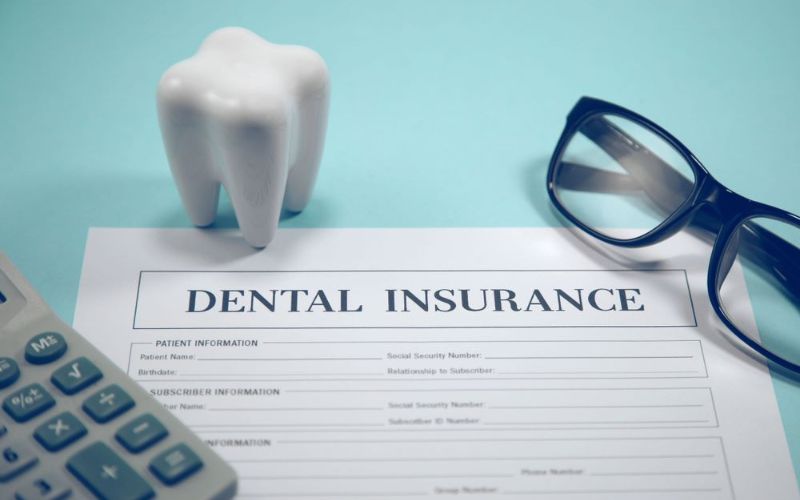
Selecting the right dental insurance plan, including supplemental coverage, can be daunting. Here are some tips to help you make an informed decision:
- Assess Your Needs: Evaluate your dental health and the dental needs of your family members. Do you require extensive dental work, or are you mostly concerned about preventive care? Understanding your needs will help you choose the right plan.
- Research Providers: Compare dental insurance providers, their coverage options, and their network of dentists. Ensure that the method you select includes dentists in your area.
- Coverage Details: Review the coverage details, including deductibles, co-pays, and annual maximums. Pay attention to what each plan covers and any waiting periods for specific treatments.
- Consider Supplemental Coverage: If your primary dental insurance has limitations, seriously consider supplemental dental insurance. It can be a cost-effective way to bridge the gaps in your coverage.
- Read Reviews and Ask for Recommendations: Research online reviews and ask friends or family for recommendations. Hearing about others’ experiences can provide valuable insights.
- Budget: Determine how much you will spend on dental insurance premiums. Make sure the plan you choose aligns with your budget.
Maximizing Your Dental Insurance Benefits

Once you’ve selected the right dental insurance plan, including any supplemental coverage you may need, it’s essential to maximize the benefits of your policy. Here are some strategies to make the most out of your dental insurance:
- Understand Your Coverage: Familiarize yourself with the details of your dental insurance policy. Know what is covered, what isn’t, and any limitations or waiting periods that may apply.
- Stay In-Network: If your dental insurance plan has a network of preferred providers, choosing dentists within that network is often more cost-effective. In-network dentists have negotiated rates, which can result in lower out-of-pocket expenses.
- Schedule Regular Check-Ups: Don’t skip your routine dental check-ups. Preventive care is usually fully covered by dental insurance and helps catch potential issues early, saving you money in the long run.
- Plan Major Procedures: If you need major dental work, such as crowns or root canals, plan these treatments strategically. Timing them near the start of your insurance plan’s coverage year can maximize your maximum annual benefit.
- Use Flexible Spending Accounts (FSAs) or Health Savings Accounts (HSAs): If your employer offers these accounts, consider contributing to them to cover dental expenses with pre-tax dollars. Check if your supplemental dental insurance premiums are eligible for FSA or HSA reimbursement.
- Maintain Good Oral Health: Following a consistent dental hygiene routine and practicing preventive care can reduce the need for extensive dental treatments. This ultimately lowers your dental expenses and maximizes your insurance benefits.
The Future of Dental Care and Insurance
As dental care technology advances, so does the landscape of dental insurance. Dental insurance providers are continually innovating to offer more comprehensive coverage and cater to the evolving needs of policyholders. Here are some trends to watch for in the future of dental care and insurance:
- Tele-Dentistry: The rise of telehealth has extended to dental care, allowing patients to consult with dentists remotely. Dental insurance providers may incorporate tele-dentistry into their coverage options.
- Preventive Focus: Dental insurance plans may increasingly emphasize preventive care, as it is a cost-effective way to maintain oral health and reduce the need for more extensive treatments.
- Wellness Programs: Some insurance companies may introduce wellness programs incentivizing policyholders to maintain good oral health by offering discounts or rewards for healthy behaviors.
- Customized Plans: Personalized dental insurance plans tailored to individuals’ needs may become more common, ensuring that policyholders get the required coverage.
Making Informed Choices for Your Dental Health

Making informed choices about your dental health and insurance is crucial to achieving and maintaining a healthy smile. Here are some additional tips to help you navigate this process effectively:
- Dental Care Education: Take the time to educate yourself and your family members about proper dental care practices. Understanding the importance of oral hygiene can lead to a lifetime of healthy smiles.
- Preventive vs. Reactive: Emphasize preventive care over-reactive treatments. Regular check-ups, cleanings, and early intervention can prevent more extensive and costly dental issues.
- Emergency Preparedness: While dental insurance is essential, it may not cover all dental emergencies. Consider setting aside a small emergency fund to handle unexpected dental situations.
- Review and Adjust: Periodically review your dental insurance coverage, especially if your dental needs change. Adjust your range as necessary to ensure it aligns with your current circumstances.
- Family Considerations: If you have a family, look for dental insurance plans that provide adequate coverage for all family members. Family plans are often more cost-effective than individual policies.
- Community Resources: Explore community clinics and dental schools that may offer affordable dental care options for routine treatments and check-ups.
- Alternative Payment Options: Some dental offices offer payment plans or financing options for expensive procedures. Inquire about these alternatives to manage the cost of necessary treatments.
Beyond Insurance – Dental Care Tips and Tricks

While dental insurance, including supplemental coverage, is a crucial aspect of oral health management, there are several additional tips and tricks you can incorporate into your dental care routine to ensure a truly healthy smile:
- Proper Brushing Technique: It’s not just about how often you brush but also how you do it. Use a soft-bristle brush and fluoride toothpaste, and spend at least two minutes brushing all surfaces of your teeth. Remember to brush your tongue to remove bacteria gently.
- Mastering Flossing: Flossing can be challenging for some, but it’s essential for removing food particles and plaque from between teeth. Ask your dentist for proper flossing techniques and make it a daily habit.
- Mouthwash and Rinses: Consider using an antimicrobial mouthwash to reduce bacteria and freshen your breath. Your dentist can recommend the most suitable product for your needs.
- Dietary Awareness: Be mindful of what you eat and drink. Sugary and acidic foods and beverages can contribute to tooth decay. If you indulge in these items, rinse or brush your teeth afterward.
- Hydration: Staying hydrated is essential for oral health. Water helps flush away food particles and bacteria. Drink plenty of water throughout the day.
- Protect Your Teeth: If you engage in contact sports or grind your teeth at night, consider using a mouthguard to protect your teeth from injury or wear.
- Limit Snacking: Frequent snacking can lead to more exposure to sugar and acids, increasing the risk of cavities. Try to limit snacking between meals.
Accessing Dental Resources
Accessing reliable dental resources can significantly contribute to your dental care journey. Here are some ways you can stay informed and connected to the world of dental health:
- Online Dental Communities: Join online forums and communities dedicated to dental health. They offer a platform to ask questions, share experiences, and gather insights from experts and peers.
- Dental Associations: Explore websites and resources from reputable dental associations like the American Dental Association (ADA) for comprehensive dental information and guidelines.
- Local Dentists: Establish a good relationship with your local dentist. They can provide personalized guidance, recommend specialists, and inform you about the latest treatments and technologies.
- Continued Education: Stay informed about the latest developments in dental care by attending dental seminars, workshops, and webinars. Many of these are accessible online.
- Regular Check-Ups: Always keep your scheduled dental appointments. Your dentist can update your oral health and offer guidance on any adjustments to your dental care routine.
Conclusion
As we conclude this comprehensive guide to dental care and supplemental dental insurance, it’s essential to emphasize that oral health is an integral part of your overall well-being. Combining the practices outlined in this guide with a commitment to informed decision-making and access to reputable dental resources, you are well-equipped to embark on a lifelong journey toward a healthy smile.
We hope this guide has provided you with valuable insights into the world of dental care and insurance. Your smile reflects your health and is a source of confidence and joy. With the right dental care practices, insurance coverage, and a proactive approach to your dental health, you can look forward to a lifetime of radiant smiles and excellent oral well-being.
For additional information and resources on dental care and supplemental dental insurance, visit Grandfolk Our platform is dedicated to helping you make informed choices for your dental health and overall quality of life.
FAQs
What is supplemental dental insurance, and do I need it?
Supplemental dental insurance is an additional insurance plan that covers specific dental services not included in your primary dental insurance. Whether you need it depends on your individual dental needs. Supplemental insurance can be beneficial if your direct goal has limitations or doesn’t cover certain treatments you anticipate needing.
How often should I visit the dentist for check-ups?
It’s generally recommended to visit the dentist every six months for routine check-ups and cleanings. However, your dentist may recommend a different schedule based on your oral health needs.
What are some common preventive dental care practices?
Common preventive practices include:
- Brushing your teeth at least twice daily.
- Flossing daily.
- Maintaining a balanced diet.
- Limiting sugary foods and drinks.
- Avoiding smoking and excessive alcohol consumption.
How can I find a dentist within my dental insurance network?
You can typically find a list of in-network dentists on your dental insurance provider’s website. You can also contact the insurance company directly or ask your dentist’s office for assistance in verifying your coverage.
What should I do in a dental emergency if my insurance doesn’t cover it?
In a dental emergency, it’s essential to seek immediate care. If your insurance doesn’t cover the full cost, consider discussing payment options with the dental office. Some dental providers offer payment plans or financing to help manage unexpected expenses.