

You might think brushing and flossing are enough to keep your teeth in top shape, but have you considered the signs of tooth decay or gum disease lurking beneath the surface? These common dental problems can sneak up on you, causing discomfort and more severe health issues if not addressed. Treatments range from simple preventive measures to complex procedures, depending on the severity. Understanding these conditions and their solutions is essential for maintaining a healthy smile. Curious about how to tackle tooth sensitivity or manage teeth grinding? There’s more to explore about keeping your oral health in check.
Key Takeaways
- Tooth decay occurs due to plaque buildup and is treated with fluoride toothpaste and regular dental check-ups.
- Gum disease results from bacterial infections and may require deep cleaning or surgical interventions.
- Tooth sensitivity is managed with desensitizing toothpaste and may require fillings or fluoride applications.
- Cracked teeth should be treated promptly with crowns or root canal therapy to prevent further damage.
- Teeth grinding, or bruxism, is managed with custom mouthguards and stress management techniques.
Tooth Decay and Treatment

When it comes to tooth decay, prevention is your best defense. Tooth decay starts with plaque buildup, where bacteria produce acids that attack and erode your enamel, leading to cavities. If left untreated, these cavities can result in infections and potential tooth loss. To protect your oral health, prioritize a dental care routine that includes regular brushing with fluoride toothpaste, daily flossing, and limiting sugary foods. These habits help minimize plaque and prevent enamel erosion.
Be aware of symptoms like tooth sensitivity to hot and cold, weakened teeth, and any signs of infection. These are indicators that you might be experiencing tooth decay. Immediate dental care is essential to address these symptoms effectively. Don’t wait for the decay to worsen and lead to more serious complications.
Regular check-ups with your dentist are essential for early detection and treatment of tooth decay. During these visits, your dentist can identify any developing issues and provide the necessary treatment to maintain your oral health. Remember, proactive dental care and regular check-ups not only treat existing problems but also prevent future dental issues, ensuring a healthier smile. Prioritize your dental health today for a brighter tomorrow.
Addressing Gum Disease
Gum disease, often a silent menace, is a prevalent issue that arises from plaque buildup and bacterial infection in your gums. You mightn’t notice it immediately, but symptoms like bleeding gums, bad breath, and gum recession are clear indicators of gum disease. If left untreated, periodontal disease can lead to tooth loss, affecting not just your oral health but your overall well-being.
Prevention is your best defense against gum disease. Regular dental check-ups are essential for catching early signs before they escalate. Maintaining good oral hygiene by brushing and flossing daily helps keep plaque buildup at bay. Avoiding risk factors, such as smoking, further reduces your chances of developing periodontal disease.
When it comes to treatment, addressing gum disease promptly is vital. Your dentist might recommend deep cleaning procedures, such as scaling and root planing, to remove plaque and tartar from below the gum line.
In some cases, antibiotics may be prescribed to tackle bacterial infection. For severe cases, surgical interventions might be necessary to restore gum health and prevent further complications.
Don’t wait until it’s too late—take charge of your oral health today to prevent gum disease and its potentially serious consequences.
Managing Tooth Sensitivity
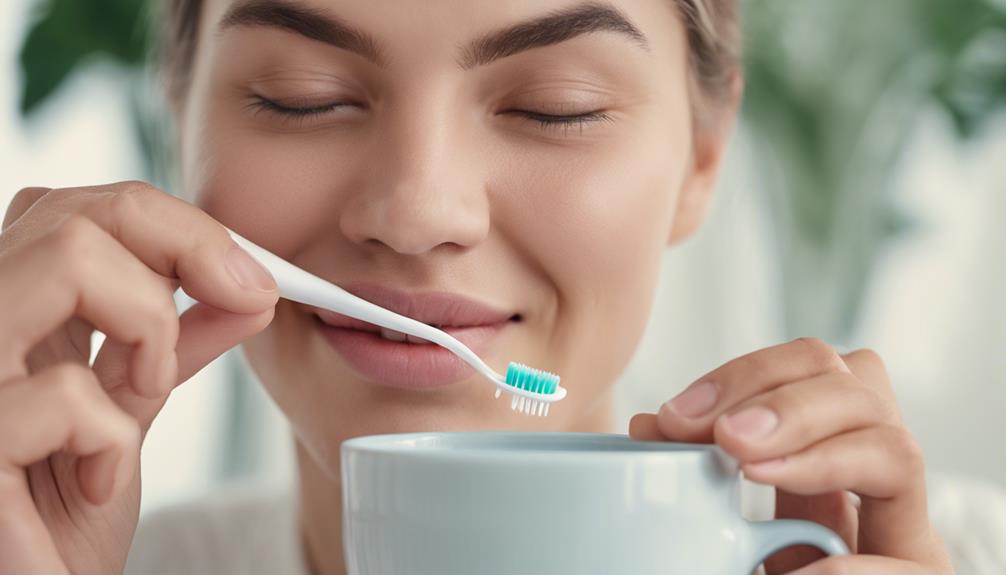
Tooth sensitivity can be a real annoyance, especially when you’re trying to enjoy your favorite hot coffee or an invigorating ice cream. This discomfort often results from dentin exposure caused by enamel wear-down or gum recession. When the protective layers of your teeth are compromised, it leads to sharp pain when consuming hot or cold foods and drinks.
One effective way to manage tooth sensitivity is by using desensitizing toothpaste. This type of toothpaste works by blocking the sensations from reaching the nerves, reducing discomfort. However, it’s important not to rely solely on this solution. Regular dental evaluations are pivotal to determine the underlying causes of your tooth sensitivity.
You might need dental treatments such as fillings or fluoride applications. Fillings can help cover exposed dentin and protect your teeth from further wear. Fluoride applications, on the other hand, strengthen your enamel, making it more resistant to temperature changes.
If you’re experiencing tooth sensitivity, don’t hesitate to consult with your dentist. They can recommend the best course of action tailored to your specific situation and make sure that you can enjoy your meals without the interruption of sharp pain.
Solutions for Cracked Teeth
While managing tooth sensitivity is important, addressing cracked teeth is equally vital for maintaining oral health. Cracked teeth can occur from accidents, chewing hard objects, or teeth grinding. When you notice a crack, it’s crucial to seek treatment promptly to prevent further damage. Options include crowns, bonding with resin material, and root canal therapy, depending on the severity of the crack.
Crowns are commonly used when larger cracks appear above the gum line. They help protect the tooth and restore its functionality. If the crack is smaller, bonding with a resin material might be sufficient to seal and reinforce the tooth.
However, if the pulp is at risk, root canal therapy may be necessary. This procedure involves removing the affected pulp and sealing the tooth, often followed by placing a veneer or crown for added protection.
It is important to note that fillings aren’t typically recommended for cracked teeth, as they might worsen the damage. By choosing the right treatment, you can ensure your cracked teeth are effectively managed, minimizing the risk of future issues and maintaining your oral health for the long term. Always consult with your dentist to determine the best approach for your situation.
Coping With Teeth Grinding

Grinding your teeth, known as bruxism, can wreak havoc on your dental health, leading to worn-down teeth, jaw pain, and headaches. This common issue often arises from stress and anxiety, causing you to grind your teeth unconsciously, especially during sleep. Left unchecked, it can result in significant dental issues, but there are effective strategies to mitigate the damage and alleviate symptoms.
- Custom-Fitted Mouthguard: Wearing a custom-fitted mouthguard at night can protect your teeth from further wear. By providing a cushion between your teeth, it reduces the pressure and prevents damage.
- Stress Management and Relaxation Techniques: Since stress is a major factor in teeth grinding, adopting stress management techniques can be beneficial. Practices like deep breathing, meditation, or yoga can help relax your jaw muscles and reduce the urge to grind.
- Regular Dental Check-Ups: Regular visits to your dentist are essential. They can monitor the effects of bruxism, check for signs of worn-down teeth, and recommend treatments to prevent further dental issues.
Whitening and Stain Removal
You’re probably aware that teeth staining can result from foods, medications, tobacco, or even trauma. To tackle these stains, consider professional whitening treatments where a dentist uses a whitening agent and special light to brighten your smile.
If you prefer at-home options, whitening kits with gel-filled trays or whitening toothpaste can help remove surface stains effectively.
Causes of Teeth Staining
Many factors can be responsible for the staining of teeth, and understanding them is key to prevention and treatment. Foods and beverages, like coffee, tea, red wine, and certain fruits, can contribute to teeth staining due to their intense pigments.
Medications, such as antibiotics and antihistamines, may also lead to discoloration. Tobacco use is another common cause, with both smoking and chewing tobacco leaving noticeable stains. Additionally, trauma to the teeth can result in darkened enamel over time.
To combat staining, you have several whitening options. Professional treatments by dentists are popular as they use potent whitening agents combined with special lights to enhance the process. If you’re looking for convenience, at-home bleaching kits offer custom plastic trays and whitening gel that you can use at your leisure. Whitening toothpaste can effectively remove surface stains and help maintain a brighter smile.
Here’s a quick summary of the main causes of teeth staining:
- Foods and Beverages: Pigmented substances like coffee and wine.
- Medications and Tobacco Use: Both can lead to significant discoloration.
- Trauma: Injuries to teeth can result in long-term staining.
Understanding these causes helps you choose the right whitening option.
Professional Whitening Methods
The pursuit of a brighter smile often leads individuals to explore professional whitening methods, known for their effectiveness in stain removal and overall teeth whitening. Dentists utilize a potent whitening agent combined with a special light to target and eliminate deep-set stains and discoloration. This approach goes beyond what whitening toothpaste can achieve, offering more dramatic results for those with stubborn stains caused by foods, medications, tobacco, or trauma.
Professional treatments provide a confidence boost and enhance self-esteem by notably improving the appearance of your teeth. If you’ve ever felt self-conscious about your smile, these treatments can be a game-changer. Dentists might also recommend at-home bleaching kits. These involve custom plastic trays filled with whitening gel, allowing for gradual stain removal under professional supervision. This method is a great complement to in-office treatments, maintaining the brightness of your smile over time.
While whitening toothpaste helps with surface stains, it’s the professional methods that truly transform your smile. By choosing professional whitening, you’re opting for an effective solution to stubborn stains, ensuring a whiter, more radiant smile that can positively impact your confidence and self-esteem.
At-Home Whitening Options
Exploring at-home whitening alternatives offers a convenient way to enhance your smile’s brightness. You can select from several methods to achieve brighter teeth without leaving your home.
Whitening toothpaste can help eliminate surface stains, giving your teeth a cleaner appearance. However, it may not be effective for deep discoloration.
Over-the-counter kits are another option, utilizing whitening agents to lighten your teeth. While these kits can be beneficial, they don’t match the efficiency of professional treatments. Additionally, some prefer DIY remedies, such as activated charcoal or baking soda. Beware, though, as these can be abrasive and may not provide long-lasting results.
Before delving into any at-home whitening methods, it’s essential to prioritize safety and effectiveness. Here are three tips to keep in mind:
- Consult your dentist: Always check with a dental professional to guarantee the method you choose is safe for your teeth and gums.
- Follow instructions diligently: Whether using over-the-counter kits or whitening toothpaste, adhere to the guidelines provided for optimal outcomes.
- Monitor your progress: Keep an eye on any changes in your teeth’s sensitivity or appearance, and consult your dentist if you notice any adverse effects.
Frequently Asked Questions
What Are the Most Common Dental Problems?
You often face dental problems like tooth decay, gum disease, and bad breath. Tooth sensitivity, oral infections, and wisdom teeth issues can also arise. Tooth erosion, dry mouth, jaw pain, and tooth discoloration add to common challenges.
What to Do if Your Teeth Are Rotting and You Can’t Afford to Fix It?
Explore affordable options like home remedies and preventive measures. Seek emergency care if needed. Look into free clinics, dental schools, and community resources. Consider payment plans, dental grants, or insurance options to manage costs and address the issue.
What Are the 10 Common Oral Diseases?
You need to know about gum disease prevention, tooth decay treatment, oral cancer risks, halitosis causes, teeth sensitivity remedies, bruxism management, mouth ulcer relief, tooth erosion prevention, jaw joint disorders, and oral thrush treatment for complete oral care.
Why Are My Teeth Crumbling and Breaking?
Your teeth crumble due to tooth decay, enamel erosion, and poor oral hygiene. Aging teeth, bruxism effects, and an acidic diet worsen it. Genetic factors, medication side effects, dental trauma, and untreated cavities contribute substantially to tooth breakdown.
Conclusion
You’ve learned about common dental problems and their treatments, so it’s important to take action. Prioritize daily brushing and flossing to prevent issues like tooth decay and gum disease. Don’t ignore symptoms like sensitivity or pain; consult a dentist for personalized advice. Address cracked teeth and grinding to avoid further damage. Remember, maintaining good oral hygiene and seeking professional guidance are key to keeping your smile healthy and bright. Take charge of your oral health today!