
Decluttering is more than just a trend—it’s a lifestyle change that can improve your mental well-being, boost productivity, and create a harmonious living space.
Whether you’re looking to embrace minimalism or make room for new things, the following decluttering tips, combined with effective junk removal methods, will transform your space and mind. Plus, creating a clutter-free environment for seniors can increase safety and accessibility.
The Benefits of Decluttering
Decluttering is not merely an aesthetic choice. It offers numerous tangible benefits, such as:
- Enhanced Mental Health: Clearing clutter reduces anxiety and stress, offering a sense of accomplishment and control.
- Increased Productivity: A clutter-free environment reduces distractions, leading to improved focus.
- Safety: Especially for older people, a decluttered home minimizes tripping hazards.
- Economical: Selling or recycling items can generate extra income.
Top 10 Decluttering Tips to Refresh Your Space
- Start Small: Begin with a drawer or a shelf. Overwhelm can be a major hurdle, so tackle smaller areas first.
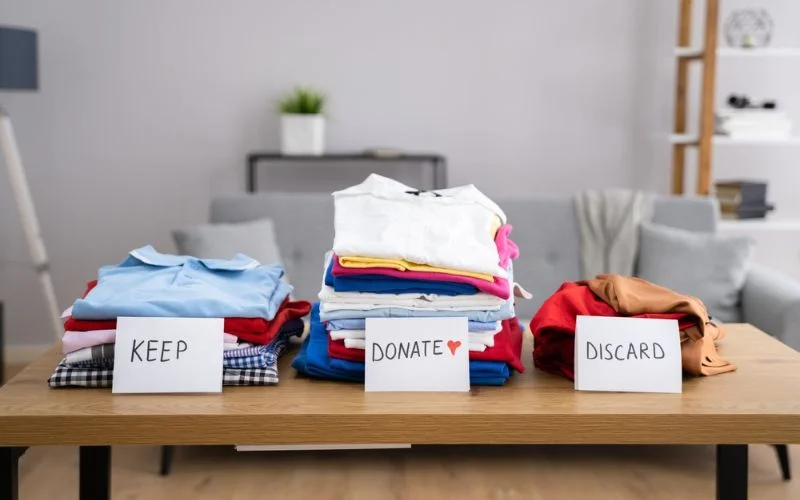
- Categorize Sort items into ‘Keep,’ ‘Donate,’ ‘Sell,’ and ‘Trash’ categories.
- Use the 12-Month Rule: If you haven’t used something in the past year, you probably don’t need it.
- Digital Declutter: Don’t forget your digital space. Clear old emails and organize files and photos.
- Implement Storage Solutions: Use baskets, dividers, and organizers.
- Stay Consistent: Set a regular decluttering schedule, whether monthly or seasonally.
- Ask the Right Questions: “Does this item bring me joy?” “Is it functional?” or “Is it a duplicate?”
- Tackle Sentimental Items Last: These can be the toughest to declutter.
- Set Decluttering Goals: This can include decluttering a certain number of items or completing a room by a certain date.
- Involve Others: Decluttering can be a family activity. Plus, it’s often easier to let go of items when you have support.
Embracing Efficient Junk Removal Techniques

Effective junk removal complements decluttering efforts. It ensures that discarded items are properly disposed of, recycled, or given a new home.
- Junk Removal Services: Companies like 1-800-GOT-JUNK? will come and pick up items, saving you trips to the dump.
- Local Recycling Centers: Find a local recycling center to dispose of electronics, plastics, and other recyclables.
- Donation Centers: Goodwill, The Salvation Army, or local charities often accept gently used items.
- Host a Garage Sale: This clears out clutter and generates some cash.
- Eco-Friendly Disposal: Consider composting and checking if items can be recycled before throwing them out.
Ensure you’re responsible for junk removal. Reusing and recycling can make a huge difference to the environment and those in need.
Tools and Resources for Successful Decluttering
- Decluttering Apps: Apps like Decluttr or Tody can help keep you on track.
- Local Community Boards: Check for local swap meets or donation drives.
- Books: “The Life-Changing Magic of Tidying Up” by Marie Kondo offers an in-depth guide on the art of decluttering.
- Professional Organizers: If you’re feeling stuck, consider hiring a professional. The National Association of Professional Organizers can connect you with experts.
- Online Forums: Platforms like Reddit’s Declutter community are great for tips, advice, and support.
Tailoring Decluttering for Seniors
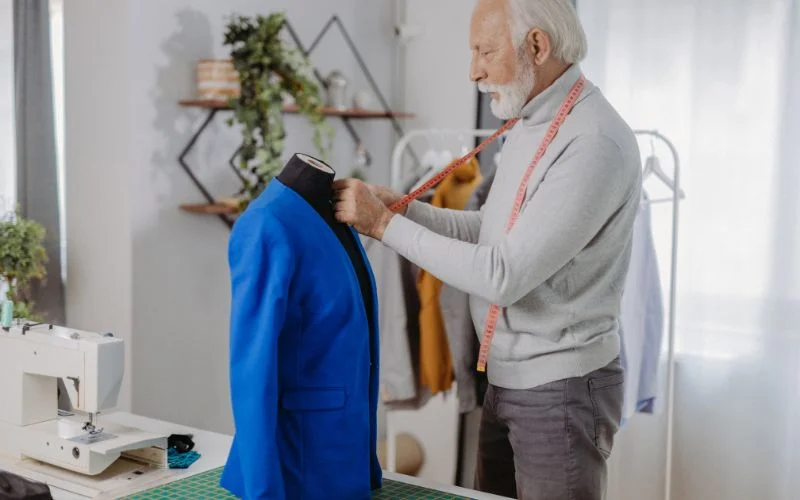
Decluttering can have unique challenges and benefits for seniors. Aging often brings about life transitions, such as downsizing or adapting homes for safety and accessibility.
- Health & Safety First: Clearing walkways and eliminating tripping hazards is crucial. Regular decluttering can prevent potential falls or accidents.
- Memory & Nostalgia: As seniors sort through decades of possessions, the process can become a walk down memory lane. It’s a chance to reminisce and share stories with younger family members.
- Downsizing Considerations: Decluttering becomes essential for moving to a smaller residence or assisted living. Knowing what to keep, what to gift, and what to let go of can be emotional and liberating.
- Engage Family: Decluttering can be an opportunity for intergenerational bonding. Younger family members can assist, making the process less strenuous.
Avoiding Common Decluttering Mistakes
Even with the best intentions, some common pitfalls can derail your decluttering journey:
- Avoiding the Process: Procrastination can be your biggest enemy. Set specific dates and stick to them.
- Being Overly Sentimental: While memories are precious, not every item needs to be saved. Choose key mementos and consider digitizing photos.
- Not Having a Plan: As with any project, decluttering requires a strategy. Determine which areas to tackle first and what the end goal looks like.
- Keeping Just-In-Case Items: Holding onto items “just in case” you might need them someday can be counterproductive. Be realistic about what you’ll truly use.
The Connection Between Decluttering and Mental Well-being
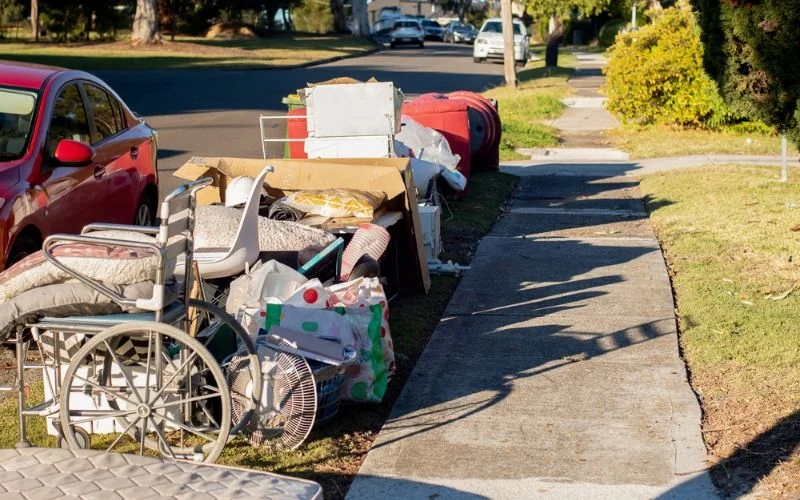
There’s a profound connection between our physical space and our mental state.
- Less Stress: A cluttered environment can increase cortisol levels, the body’s main stress hormone. Regular decluttering can help in maintaining a calmer mind.
- Boost in Creativity: A clutter-free space can enhance creativity, offering room for new ideas and projects.
- Improved Sleep: A tidy and organized bedroom often leads to better sleep quality. It promotes relaxation and reduces anxiety.
- Sense of Achievement: Decluttering and seeing a tidier space can boost self-esteem and offer a tangible sense of accomplishment.
Sustainable Decluttering: A Deeper Dive
One aspect of decluttering that’s gaining traction is the idea of sustainable decluttering. It’s not just about getting rid of items but doing so in an environmentally responsible way.
- Recycle Properly: Every municipality has its recycling guidelines. Please familiarize yourself with them to ensure you’re not inadvertently adding to landfills.
- Upcycle: Before discarding, think creatively. Old jars can be used for storage, and worn-out clothes can be repurposed as rags or quilting material.
- Donate Thoughtfully: Not everything should be donated. Charities spend a lot of money disposing of items they can’t use. Ensure your donations are usable and in good condition.
- Digital Decluttering: E-waste is a significant concern. Instead of throwing away old gadgets, consider e-waste recycling programs or donating to organizations that refurbish electronics.
Establishing Continuous Decluttering Habits
Decluttering isn’t a one-off activity. To maintain a clutter-free environment, it’s essential to develop continuous habits.
- One-In-One-Out Rule: Ensure one item goes out for every new thing you bring into your home. This keeps the clutter in check.
- Regular Decluttering Sessions: Whether it’s once a month or once a quarter, regular checks ensure clutter doesn’t pile up.
- Mindful Purchasing: Before purchasing, ask if you truly need the item. Avoid impulse buys that might become future clutter.
The Psychological Impacts of Junk Removal
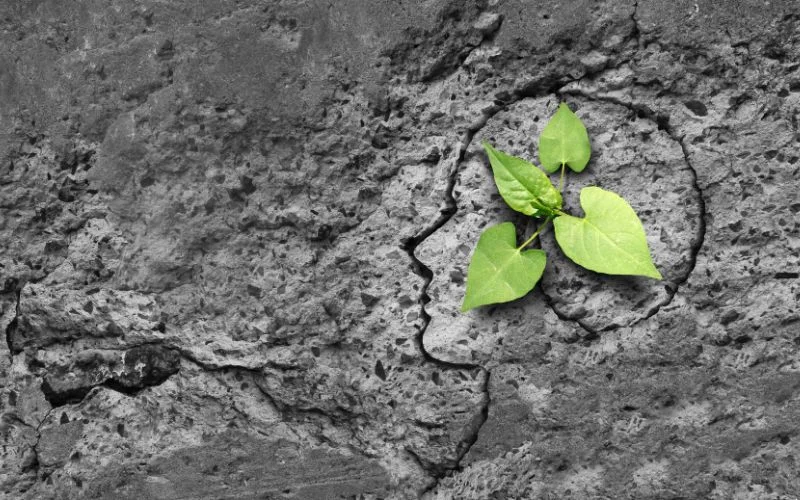
When discussing decluttering and junk removal, it’s not just about physical space. There’s a deep-seated psychological component to it.
- Freedom from Past: Objects carry memories. Letting go can often mean releasing past traumas or regrets.
- Decision-making Skills: Deciding what stays and what goes can enhance decision-making skills in other areas of life.
- Sense of Control: A decluttered space can provide a feeling of control over one’s environment, which can be particularly empowering during tumultuous times or phases of change.
Conclusion
The decluttering journey intertwines with various facets of our lives – from the environment to our mental well-being. By approaching it mindfully and sustainably, we enhance our living spaces and contribute positively to the world. The art of physically and emotionally letting go can pave the way for new experiences, growth, and a renewed sense of purpose.
Whether you’re beginning your decluttering journey or deep in the process, remember that each step contributes to a larger purpose. For comprehensive guides and insights specially tailored for seniors, make grandfolk.com your go-to resource. Happy decluttering!
Frequently Asked Questions
Why is decluttering important?
Decluttering is not only essential for maintaining a tidy and organized space, but it also has numerous benefits for mental well-being. A clutter-free environment can reduce stress, boost productivity, enhance creativity, and provide a sense of achievement. Especially for seniors, decluttering can lead to safer and more accessible living spaces.
How often should I declutter my home?
The frequency of decluttering varies based on individual needs. However, a good rule of thumb is thoroughly decluttering at least once or twice a year. Consider decluttering quarterly for areas with high usage, such as kitchens or closets. Regular checks and maintenance can prevent the buildup of unnecessary items.
What’s the difference between decluttering and junk removal?
Decluttering is sorting possessions and deciding which items to keep, donate, sell, or throw away. On the other hand, junk removal deals with disposing of unwanted things through recycling, trash disposal, or using specialized services to haul away large items.
How can I declutter sustainably without adding to landfills?
Sustainable decluttering focuses on reducing waste. Before throwing items away, consider if they can be recycled, upcycled, or donated. Many things, from electronics to clothing, can be given a second life through recycling or donation programs. Always check with local recycling guidelines to ensure proper disposal.
I find it hard to let go of sentimental items. Any tips?
Sentimental items can indeed be challenging to part with. Here are some steps to help:
- Prioritize: Keep the most cherished items and consider letting go of duplicates or less significant mementos.
- Digitize: Convert physical photos, letters, and other mementos into digital formats to preserve memories without physical clutter.
- Storytelling: Share stories associated with the items with family or friends, then decide if you still need to keep the physical object.
- Create a Memory Box: Dedicate a specific box or container for your most treasured memories. If it begins to overflow, it’s time to reassess and declutter.