

Introduction
High blood pressure, also known as hypertension, occurs when blood is forced against the walls of the arteries at high pressure. Nearly 90 million people in the United States have high blood pressure, according to the American Heart Association (AHA). Studies completed by the National Institutes of Health (NIH) show that nearly two-thirds of seniors over the age of 65 suffer from high blood pressure.
If left untreated or uncontrolled, the disease can cause many health problems. These conditions can include vision loss, heart failure, kidney disease, and stroke.
High Blood Pressure Overview
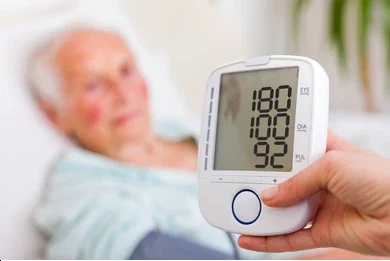
High blood pressure is a widespread and well-known condition that may lead to other serious health problems, such as stroke and heart disease when left untreated. Blood pressure is identified by the resistance of blood flow in the arteries and the amount of blood pumped by the heart. Blood pressure is higher if the heart pumps more blood and the arteries are narrower.
One can suffer from high blood pressure for extended periods and have no signs or symptoms. Even without symptoms, damage to the heart and blood vessels can advance without detection. Fortunately, high blood pressure can be easily detected by routine tests. Once diagnosed, working closely with a doctor can keep it under control.
High Blood Pressure Impairment

Uncontrolled high blood pressure, also known as the “silent killer,” may lead to other serious health conditions. Every high blood pressure diagnosis is unique, and the consequences of the disease depend on the severity and the duration of the pressure, as well as any other underlying medical conditions the individual may have.
High blood pressure can impair kidney function, resulting in fluid retention or swelling of the arms and legs. High blood pressure can also affect vision, sometimes causing vision loss. Furthermore, high blood pressure can affect the body’s circulation, causing pain and cramps in the legs, cold feet, or even a stroke.
Fortunately, early detection and treatment can prevent high blood pressure’s consequences.
Other common impairments of high blood pressure may include:
- Heart disease
- Stroke
- Kidney damage
- Vision loss
- Cognitive decline
- Sexual dysfunction
- Peripheral artery disease
- Aortic aneurysm.