

When it comes to maintaining peak dental health, you’re probably aware that some foods can be more harmful than others. While sugary drinks and sticky candies might give you a temporary satisfaction, they contribute markedly to plaque buildup and tooth decay. But it’s not just the obvious culprits that are problematic. Did you know that chewing ice or indulging in citrus fruits can also harm your teeth? These might seem harmless at first glance, yet they have concealed impacts on your enamel. So, what other seemingly innocent foods should you reconsider to keep that bright smile intact?
Key Takeaways
- Avoid sugary drinks to prevent enamel erosion and tooth decay.
- Steer clear of sticky candies to reduce cavity risk and plaque buildup.
- Limit citrus fruits to minimize enamel erosion and tooth sensitivity.
- Reduce starchy snacks as they break down into sugars fueling bacteria and decay.
- Skip energy drinks to prevent cavities, enamel erosion, and dry mouth.
Sugary Drinks

Beyond the direct impact on enamel, sugary drinks contribute to plaque buildup. Plaque is a sticky film of bacteria that forms on your teeth, and when combined with sugars, it produces more acids, accelerating the decay process.
Additionally, sugary drinks cause dry mouth by reducing saliva production. Saliva is your mouth’s natural defense against harmful bacteria, and without enough of it, your mouth can’t effectively clean itself.
To protect your dental health, consider opting for healthier alternatives like water, tea, coconut water, or kombucha. These options not only keep you hydrated but also help maintain your enamel and reduce the risk of tooth damage. Choose wisely to preserve your smile.
Sticky Candies
When you eat sticky candies like caramels and gummy bears, they cling to your teeth and keep sugar in contact longer, increasing your risk of cavities. The stickiness prevents saliva from effectively washing away sugar and bacteria, leading to plaque buildup. Opting for these treats regularly can cause enamel erosion and tooth decay, so consider healthier alternatives like fresh fruits or sugar-free gum.
Sugar Exposure Risks
Despite their tempting allure, sticky candies like caramels and gummy bears pose significant risks to dental health. These sugary treats can cling to your teeth, allowing sugar to linger and feed harmful bacteria. This prolonged sugar exposure leads to plaque buildup, which is a primary contributor to enamel erosion. As the enamel wears down, your teeth become more susceptible to cavities and decay. Sticky candies don’t just make dental visits more frequent—they actively compromise your dental health by creating an environment where harmful bacteria thrive.
In addition to the sugar problem, sour candies add another layer of risk due to their acidic nature. This acidity can weaken tooth enamel even further, enhancing the chances of tooth decay. It’s essential to understand that the combination of sugar and acidity from these candies can be particularly damaging. If you consume them regularly, you’re not just risking short-term dental issues but also setting yourself up for long-term dental health problems.
To protect your teeth, consider swapping sticky candies for less harmful options like sugar-free gum or fresh fruits. These alternatives satisfy your sweet cravings without compromising your dental health, reducing the risk of plaque buildup and decay.
Dental Damage Causes
With sticky candies like caramels and taffy, the risk of dental damage noticeably increases due to their tendency to adhere to teeth. This stickiness allows sugars to linger, creating the perfect environment for bacteria to thrive. The high sugar content in these candies feeds the bacteria, leading to plaque formation and enamel erosion. Over time, this can result in significant tooth decay and other oral health problems.
When you indulge in sticky candies, you’re allowing them to cling to your teeth, making it difficult for saliva to wash them away. This prolonged sugar exposure contributes to:
- Plaque formation: Sticky candies promote plaque buildup by providing a constant sugar source.
- Enamel erosion: The acids produced by bacteria weaken your tooth enamel, making it more susceptible to decay.
- Tooth decay: Frequent consumption of sticky, sugary snacks increases the risk of cavities.
- Oral health problems: Poor dental hygiene due to sticky candies can lead to gum disease and other issues.
- Dental damage: Repeated exposure can cause lasting harm to your teeth and gums.
Opting for less sticky and sugary snacks can help prevent these problems, ensuring better dental health in the long run.
Chewing Ice
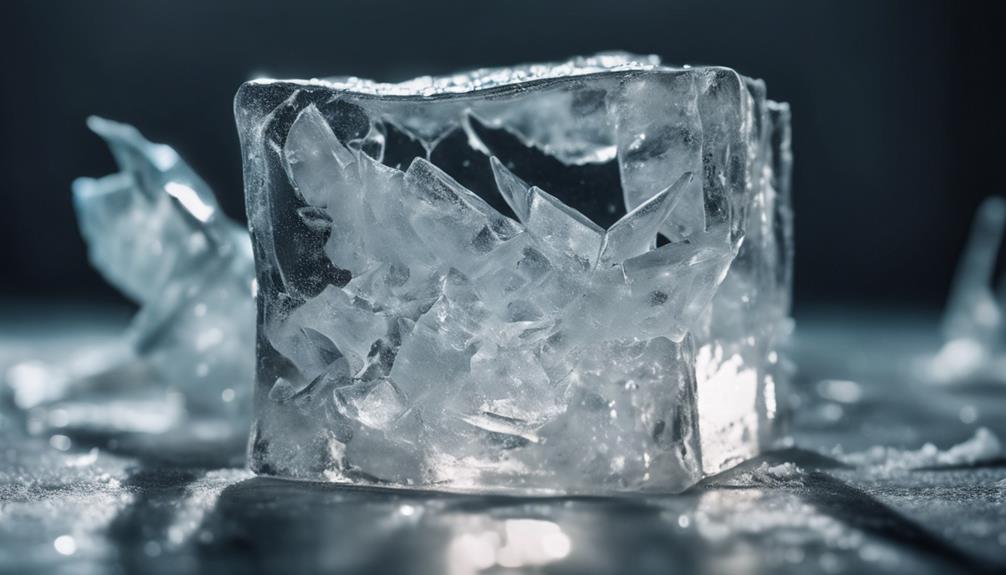
Chewing ice might seem harmless, but it can greatly damage your enamel and lead to increased tooth sensitivity. When you habitually crunch on ice, you risk cracking or breaking your teeth, which can then require costly dental repairs. Instead, protect your teeth by finding safer ways to enjoy cool drinks without the risk of enamel damage.
Enamel Damage Risks
Indulging in the seemingly harmless habit of chewing ice can surprisingly wreak havoc on your dental health. When you chew ice, you risk enamel damage that can lead to microfractures and weaken your tooth structure. The hardness of ice challenges the resilience of your teeth, increasing the likelihood of dental emergencies such as cracked teeth or even broken teeth. Over time, this habit not only compromises enamel integrity but also paves the way for cosmetic and deeper dental problems.
Consider these potential consequences when you chew ice:
- Microfractures: Tiny cracks can develop in your enamel, weakening the tooth’s defense against decay.
- Weakened Tooth Structure: Constant pressure from chewing ice can erode the tooth’s natural defenses.
- Cracked Teeth: Sudden breaks or cracks may occur, necessitating costly dental repairs.
- Broken Teeth: Severe damage can result from the repetitive impact against your enamel.
- Compromised Enamel Integrity: Your teeth become more susceptible to decay and other dental issues.
Tooth Sensitivity Concerns
While the risks to enamel are significant, the consequences of chewing ice extend beyond just structural damage to your teeth. Ice chewing can lead to dental emergencies like cracked teeth or even completely broken teeth. When you chew ice, the hard texture can cause immediate tooth sensitivity, making it uncomfortable to enjoy hot or cold foods and drinks. If you have existing dental work, like fillings or crowns, ice can compromise these, leading to further discomfort and potential damage.
Avoiding ice chewing is essential to prevent enamel damage and tooth sensitivity. Each time you crunch on ice, you increase the risk of tooth fractures, which might require dental intervention. A small crack can quickly escalate, needing more complex and costly treatments to restore your dental health.
Instead of reaching for ice cubes, opt for safer ways to hydrate and cool down your beverages. Consider using chilled water, iced drinks with straws, or simply letting your drink sit until it reaches a comfortable temperature.
Citrus Fruits
Citrus fruits, often loved for their invigorating flavor, can frequently pose a hidden threat to your dental health. While they’re a revitalizing snack, the acidic nature of fruits like lemons, oranges, grapefruits, and limes can lead to enamel erosion. The citric acid in these fruits weakens tooth enamel, increasing the risk of sensitivity and cavities.
Over time, consuming acidic fruits contributes to enamel wear down, which can result in long-term dental issues. To protect your dental health, it’s essential to be mindful of how these fruits affect your teeth.
Consider these tips to minimize the impact of acidic fruits:
- Limit the intake of citrus fruits to prevent enamel erosion.
- Rinse with water after consuming acidic fruits to neutralize acids.
- Avoid brushing your teeth immediately after eating citrus to prevent enamel damage.
- Opt for consuming citrus fruits during meals rather than as snacks.
- Use a straw when drinking citrus-based beverages to reduce contact with teeth.
Alcoholic Beverages

Many people enjoy alcoholic beverages, but they can negatively impact your dental health in various ways. When you drink alcohol, it can cause dry mouth by reducing saliva production. Saliva is essential because it helps wash away food particles and bacteria. Without enough saliva, you’re more prone to plaque buildup, which can lead to cavities and gum disease.
Beer and wine, popular alcoholic beverages, are acidic and can erode your tooth enamel over time. This erosion makes your teeth more vulnerable to decay and sensitivity. Additionally, the sugar content in some alcoholic drinks promotes bacteria growth, further increasing the risk of tooth decay.
If you’re a fan of red wine or dark beer, be aware that their tannins can lead to teeth discoloration, leaving behind unsightly stains.
To protect your dental health, limit your alcohol intake and focus on maintaining good oral hygiene. Brushing and flossing regularly will help remove plaque and prevent decay. Rinsing your mouth with water after drinking can also minimize the negative effects. By taking these precautions, you can enjoy your favorite alcoholic beverages while still supporting your dental health.
Starchy Snacks
Although starchy snacks like potato chips and white bread are popular choices for many, they pose a hidden threat to your dental health. These snacks break down into sugars, fueling bacteria that cause tooth decay. Often, they get lodged between teeth, promoting plaque buildup and increasing the risk of cavities.
Surprisingly, chips and bread can have as much sugar as many sugary snacks, contributing to tooth erosion and decay.
Consuming starchy foods regularly can lead to increased acid production in your mouth, resulting in enamel damage. This weakens your teeth and makes them more susceptible to decay. To improve your dental health, consider swapping these snacks for healthier alternatives that don’t harm your teeth.
Here’s why you should reconsider your snacking habits:
- Starchy foods like potato chips and white bread turn into sugars that harm your teeth.
- They get stuck in teeth, leading to plaque buildup and potential cavities.
- Chips can contain as much sugar as sugary snacks, causing tooth decay.
- Regular consumption increases acid in the mouth, damaging enamel.
- Healthier options, like fruits and vegetables, support better dental health.
Coffee and Tea

When it comes to beverages like coffee and tea, it’s easy to overlook their impact on your dental health. These drinks are acidic, and over time, they can lead to enamel erosion. This erosion makes your teeth more susceptible to tooth stains and discoloration. The tannins in coffee and tea are particularly notorious for causing yellowing of your teeth, creating a less-than-ideal smile.
To combat these effects, consider drinking coffee or tea through a straw. This simple step helps minimize contact with your teeth, reducing the risk of staining.
Additionally, be cautious about adding creamers or sugar to your coffee. While they might enhance flavor, they can also worsen enamel damage and increase your risk of cavities.
After enjoying your favorite brew, make it a habit to brush your teeth. This helps remove any residue and reduces potential damage to your enamel. If brushing immediately isn’t possible, rinsing your mouth with water can be a temporary solution.
Pickled Foods
Pickled foods, cherished for their tangy flavor, are a common part of many diets, but they can pose a risk to your dental health. Their high vinegar content makes them acidic, which can demineralize tooth enamel and lead to enamel damage. Over time, this acidity can also cause unsightly stains on your teeth. While pickled foods are tasty, consuming them in moderation is essential to protect your dental health.
To mitigate the acidic impact of pickled foods on your teeth, consider these tips:
- Rinse with water: After eating, rinse your mouth with water to help wash away acids and reduce potential damage.
- Pair wisely: Combine pickled foods with less acidic options like cheese to help balance acidity levels in your mouth.
- Monitor frequency: Be mindful of how often you indulge in pickled foods to avoid excessive enamel wear.
- Limit quantity: Keep your portions in check to minimize prolonged exposure to acidity.
- Regular dental check-ups: Visit your dentist regularly to monitor any effects on your dental health.
Energy Drinks

Just as pickled foods can challenge your dental health, energy drinks pose a notable threat to your teeth. They’re packed with high sugar and acidic ingredients that can wreak havoc on your oral well-being.
The high sugar content in these drinks feeds bacteria in your mouth, resulting in cavities and decay. When you consume energy drinks, these bacteria feast on the sugar, producing acids that attack your teeth, leading to enamel erosion.
The acidic components in energy drinks further contribute to tooth enamel erosion, leaving your teeth more vulnerable to dental issues. Enamel erosion weakens your teeth, making them more susceptible to sensitivity and decay.
Plus, when you regularly consume energy drinks, they can dry out your mouth. This reduction in saliva is a problem because saliva naturally cleanses your mouth and protects your teeth. Without it, your teeth are at greater risk of decay and other problems.
To protect your dental health, consider opting for water or healthier alternatives instead. By reducing or eliminating energy drinks from your diet, you can significantly cut down the risks of cavities, decay, and enamel erosion, ensuring your smile stays bright and healthy.
Frequently Asked Questions
What Foods Should Be Avoided to Protect Teeth?
You should avoid sugary beverages, hard candies, and sticky sweets to protect your teeth. Limit acidic fruits, carbonated drinks, citrus fruits, and starchy snacks. Processed foods can harm dental health, so they’re best limited as well.
What Is the Most Damaging Food for Your Teeth?
You might find sugary drinks and sticky candies wreaking havoc on your teeth. Acidic fruits, hard candies, and ice cubes damage enamel, while dried fruits and alcohol consumption promote decay. Even potato chips contribute to plaque buildup.
What Can I Eat to Improve My Teeth?
To enhance your teeth, reduce sugar intake and acidic drinks. Include calcium sources, crunchy fruits, and antioxidant-rich foods. Choose probiotic snacks and fiber benefits. Address vitamin deficiencies with a balanced diet for optimal oral health.
What Are 10 Things to Keep Your Teeth Healthy?
To keep your teeth healthy, manage sugar intake, avoid acidic drinks, and use proper brushing techniques. Floss daily, embrace fluoride benefits, schedule regular check-ups, utilize mouthwash benefits, and maintain mindful chewing habits for peak oral health.
Conclusion
To keep your teeth healthy, be mindful of what you consume. Limit sugary drinks, sticky candies, and starchy snacks to prevent plaque buildup and tooth decay. Avoid chewing ice, as it can damage your teeth and increase sensitivity. Consume citrus fruits, pickled foods, and alcoholic beverages in moderation to protect your enamel. Remember, coffee, tea, and energy drinks can lead to dry mouth and cavities. Always rinse with water after consuming acidic items to help neutralize harmful acids.