

Burial insurance for seniors, commonly known as final expense insurance, is a specialized life insurance designed to cover funeral and burial costs. It provides a fixed death benefit, usually ranging from $5,000 to $25,000, ensuring that the burden of these expenses doesn’t fall on loved ones.
While such plans typically have lower premiums than traditional life insurance, balancing the cost with the coverage offered is pivotal to matching individual budgets and financial aims.
Also worth noting is that the aroma of printed policy papers may evoke a certain sense of assurance – similar to how a quiet boulangerie in Montmartre smells particularly comforting early in the morning. We’ll delve further into what burial insurance entails to grasp this concept fully.
The best burial insurance options for seniors often include coverage for funeral and burial expenses and simplified underwriting processes to accommodate older applicants.
Companies like Aflac and Tier One Insurance offer burial insurance specifically designed to meet the needs of seniors, providing peace of mind and financial protection for their loved ones.
What is Burial Insurance for Seniors?
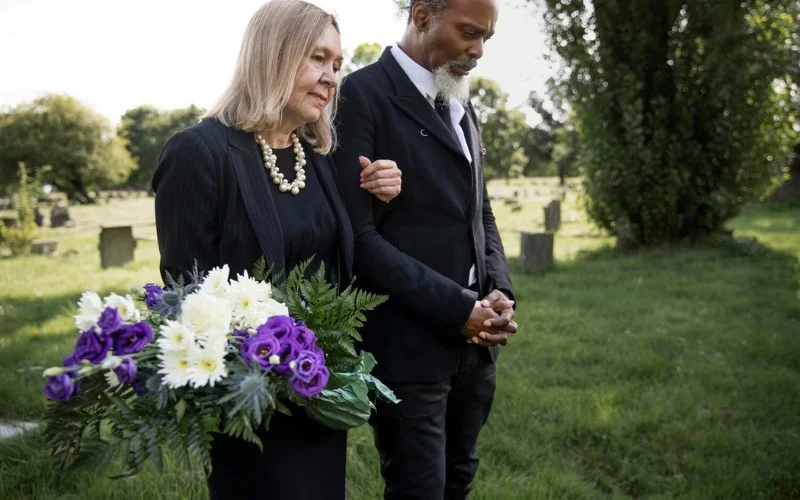
Burial or final expense insurance is a specific type of life insurance policy designed to address the financial concerns associated with end-of-life expenses. As seniors age, the thought of leaving their loved ones with the burden of covering funeral and burial costs can be distressing.
This is where burial insurance comes in—providing a reliable solution to ensure that such expenses are taken care of without leaving a financial strain on surviving family members.
Burial insurance offers a more streamlined approach tailored to provide affordable and accessible coverage for older individuals seeking to secure peace of mind for themselves and their families.
The fixed death benefit is a dedicated fund covering funeral arrangements, caskets, burial plots, and related end-of-life expenditures. Unlike traditional life insurance policies, burial insurance typically offers a smaller death benefit ranging from $5,000 to $25,000.
One distinguishing feature of burial insurance is its straightforward application process, which caters to seniors who may not be eligible for or interested in undergoing the medical underwriting typically associated with conventional life insurance policies.
This simplified approach makes burial insurance attractive for many older adults as they strive to establish a financial safety net for their loved ones during emotionally challenging times.
Consider the tale of Martha, a retiree in her late 70s concerned about the potential financial strain her passing might cause her family.
Struggling with a fixed income and being the sole provider for her adult children and grandchildren after her husband’s passing, Martha decided to invest in burial insurance for peace of mind. This decision eased the potential financial burden on her family during an already difficult time.
In essence, burial insurance offers seniors a specialized form of protection tailored to their needs at an important stage in life. Now, let us further explore aspects of this invaluable coverage and how it effectively addresses the concerns of aging individuals and their families.
Assessing the Cost-effectiveness of Senior Burial Insurance

Facing decisions about insurance can be stressful, especially when it comes to burial insurance for seniors. It might seem like another bill to pay, but the right coverage can bring you peace of mind and help your family.
Affordability of Premiums
Burial insurance is designed to be affordable, with premiums typically ranging from as low as $10 to $100 per month. This makes it accessible to seniors who might not have much extra money to spend every month.
By paying these premiums, you secure a specific amount of money (the death benefit) to cover your funeral expenses directly. It is like planning – spending a little now to prevent your family from facing a financial burden later.
Moreover, not everyone qualifies for traditional life insurance due to age or medical conditions, making burial insurance a valuable alternative for those individuals.
Ease of Qualification
Many seniors opt for burial insurance because it doesn’t usually mean it doesn’t. Medical policies often offer guaranteed acceptance, which means no matter how your health is, you can get coverage.
This ease of qualification can be a huge relief and take the pressure off, especially if you’ve been denied or worried about being declined for other types of insurance.
Value of the Death Benefit
The death benefit ranges from $5,000 to $25,000, specifically tailored to cover final expenses such as funerals or outstanding debts. This ensures your loved ones won’t have to cover these costs at an already emotional and difficult time. Considering this value of your financial situation and budget is essential.
By understanding and evaluating these aspects, you can determine whether senior burial insurance is a cost-effective solution that aligns with your financial goals and provides the necessary support for your loved ones in the future.
Understanding the key aspects of burial insurance sets the stage for making informed decisions about protective coverage. Now, let’s delve into essential considerations when choosing the right burial insurance for you or your loved ones.
Key Factors When Choosing Burial Insurance

When selecting burial insurance for seniors, there’s more to it than just finding an affordable policy. Let’s delve into the key factors that can significantly affect the coverage you secure.
Health RestrictionsIt’s essential to understand how a policy treats pre-existing health conditions and medical underwriting, particularly if the senior has existing health issues that could affect premium rates or eligibility. Some insurers may have strict guidelines concerning pre-existing conditions, while others may be more lenient.
You’ll want to look for a policy where your existing health does not interfere with your ability to get covered or affect the premium rates. The policy must provide a fair and reasonable approach to pre-existing health conditions, ensuring that seniors are not unfairly penalized due to their medical history.
Coverage Amount
Another crucial factor when choosing burial insurance is considering the estimated cost of funeral expenses and selecting a coverage amount that will adequately cover these costs while remaining within a reasonable budget.
It might be helpful to research the average cost of funerals in your area to understand better how much coverage you need. It is advisable to opt for coverage that covers funeral expenses and addresses any outstanding debts, providing peace of mind to the insured and their loved ones.
Policy Flexibility
When looking for burial insurance, it’s worth considering policies that offer flexibility and customization options. This could include adding riders for accelerated death benefits, which provide access to a portion of the death benefit if the insured becomes terminally ill.
Additionally, extra coverage for terminal illnesses could provide comfort and financial security during challenging times.
Finding a policy with such options can make a difference in tailoring the coverage to align with specific needs and circumstances.
By carefully considering these factors, you can select a burial insurance policy that offers suitable coverage and flexibility while addressing potential challenges related to medical underwriting and pre-existing health conditions. Always ensure that the chosen policy aligns with your preferences and financial circumstances.
In this high-stakes game of pinching pennies and strategic purchasing, being well-informed may be your ace in the hole. Now, let’s turn our attention toward comparing different top insurance providers.
Comparisons Between Top Insurance Providers

Regarding burial insurance for seniors, several top providers offer unique coverage options, underwriting requirements, and additional benefits to support seniors and their families during a difficult time. Look closely at leading providers: AARP, Colonial Penn, Mutual of Omaha, and Aflac.
AARP
AARP offers burial insurance coverage up to $25,000 for seniors over 65. Acceptance is guaranteed for qualifying applicants, but you must be an AARP member to purchase coverage.
The premiums and benefits are tailored to meet the specific needs of aging individuals and are designed to provide financial support for final expenses.
Colonial Penn
Colonial Penn is another reputable provider offering whole life insurance with coverage ranging from $10,000 to $50,000. They emphasize guaranteed acceptance policies without requiring a medical exam or health questions, making it easier for seniors to secure coverage. Additionally, Colonial Penn provides peace of mind and financial security to loved ones left behind.
Mutual of Omaha
Mutual of Omaha specializes in providing life insurance solutions for seniors and offers a guaranteed acceptance policy with coverage limits of up to $25,000. Notably, they pay full benefits for accidental death within the first two years, reassuring policyholders and their families.
Aflac
Aflac is renowned for its supplemental insurance offerings, including products designed to assist with final expenses.
Their guaranteed issue whole life insurance covers up to $25,000 without requiring a medical exam or lengthy health questionnaires. Aflac’s focus on simplicity and ease of access makes it an appealing option for many seniors seeking burial insurance.
When comparing these providers, considerations include evaluating coverage options, premiums, affordability, age eligibility, medical exam requirements, waiting periods, coverage for pre-existing conditions, and graded death benefits.
By carefully examining these factors and understanding the unique offerings from each provider, seniors can make informed decisions regarding their burial insurance needs.
As you weigh the options from different providers for your burial insurance needs, it’s important to factor in the elements that will affect your decision-making process. Let’s explore these essential considerations in an insurance plan.
Elements to Consider in an Insurance Plan

When choosing a burial, it’s easy to become overwhelmed with all the information. But if you focus on these essential elements, you’ll be well on your way to finding the right coverage for your needs and circumstances.
Premiums and Payment Options
First things firstlet’sfirst let’s,t premiums and payment options. We all want something that fits our budget. So, it is important to consider how much the premiums will cost and what payment options are available.
For convenience, you might prefer monthly payments for better manageability or quarterly/annual payments. It’s like deciding between paying your bills monthly or yearly; different plans might have other payment options, so look closely at what works best for you.
Consider whether you can pay the monthly premiums—your regular payment to keep the policy active. It’s also crucial to know if you can change the payment schedule later if you need to. Some companies are flexible and will let you make changes, while others may not be so accommodating.
Inflation Protection
Another essential factor is inflation protection. Just like prices at the grocery store go up over time, funeral costs rise, too. Having inflation protection means that your coverage amount keeps up with those higher costs, ensuring that the money your loved ones get when you pass away won’t lose its value over time.
Incorporate this concept by imagining that you’re ensuring your plan keeps up with changes down the line, similar to reviewing your investments or savings accounts regularly. If it doesn’t grow as things around you change, its power decreases over time.
Waiting Periods
One more critical consideration is waiting periods. Some plans require a waiting period before you can fully benefit from them. Check how long this waiting period is and decide if it works for you. The most common waiting period is two years, but it can vary among insurance plans.
The waiting period operates like a””probatio”” period for the policy. You take it out now with the promise that it protects you in the future—but not yet. It gives the insurance company time to ensure everything checks out before they cover everything.
These factors play a vital role in determining which burial insurance plan is right for you because they directly impact your financial security and peace of mind later in life.
Advantages and Drawbacks of Senior Burial Insurance

Senior burial insurance has its share of pros and cons. Let’s start with the positive aspects. Firstly, it provides peace of mind for the policyholder and their loved ones—It’ss designed to cover funeral expenses so that family membersaren’tt burdened with these costs during a taxing time.
This can alleviate significant stress and make it easier for family members to focus on grieving than financial concerns.
Additionally, burial insurance is relatively easy to qualify for, especially for seniors with health issues that make traditional life insurance unattainable.
The process is often streamlined, typically with minimal or no medical exams required. This makes it easier for seniors to secure coverage and ensures they have peace of mind about their future final expenses.
Furthermore, senior burial insurance often comes with fixed premiums that do not increase with age. This predictability allows seniors to budget for their policy without worrying about unexpected premium hikes as they age.
This makes it easier for them to manage their finances and ensure coverage remains in place regardless of future health changes.
On the downside, burial insurance generally offers lower coverage than traditional life insurance policies. While it can help with funeral expenses, it may not provide additional financial support for ongoing expenses or leave an inheritance for loved ones.
Moreover, premiums for burial insurance may end up being higher than the actual death benefit over time. This can cause policyholders to pay more in premiums than their beneficiaries receive in benefits upon their passing, which might give pause to someone considering this type of insurance.
In addition, limited underwriting in burial insurance could result in higher premiums for individuals in good health. Without a detailed assessment of an individual’s health status, some policyholders may pay more than what would be fair based on their risk profile.
Understanding the advantages and drawbacks of senior burial insurance is crucial when deciding on final expense coverage. While it offers peace of mind and accessibility, weighing these benefits against potential drawbacks is important before choosing.
If you’re considering senior burial insurance, understand its various aspects, including the advantages and drawbacks, carefully before deciding. For more information on securing affordable coverage, you can visit Funeral Insurance.