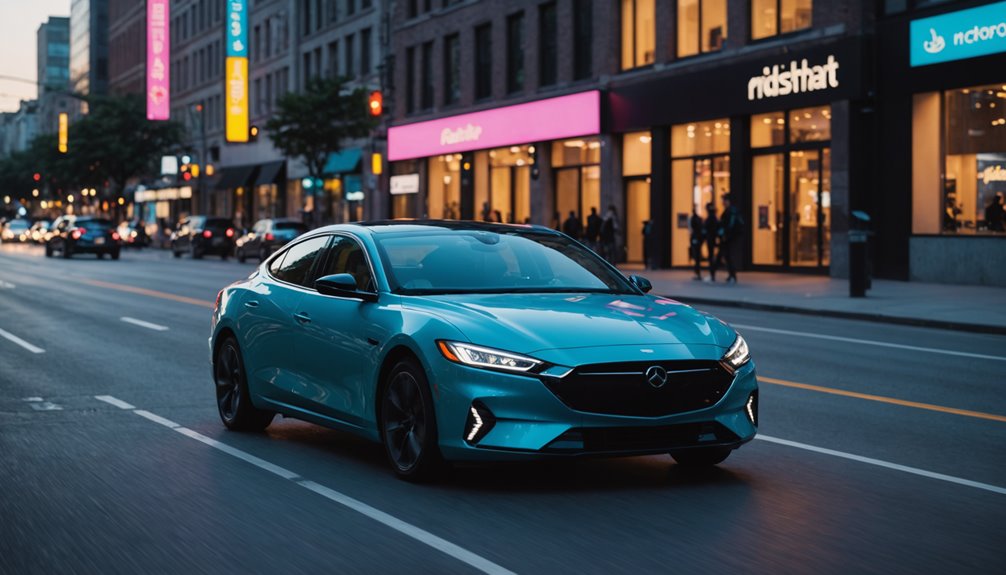
Rideshare insurance fills the dangerous gap between your personal auto policy and the limited coverage Uber or Lyft provides. Your personal insurance likely won’t cover you while you’re working, and the platforms only offer partial protection depending on...
Your personal car insurance likely covers rental cars, but it depends on your policy type. Liability coverage protects others if you cause damage or injuries. Collision and comprehensive coverage protects the rental vehicle itself. Your coverage extends only up to...
Liability-only car insurance is the most basic auto coverage required in most states. It covers injuries and property damage you cause to others in an accident, not your own vehicle or medical bills. You choose your coverage limits, but you’re personally on the...
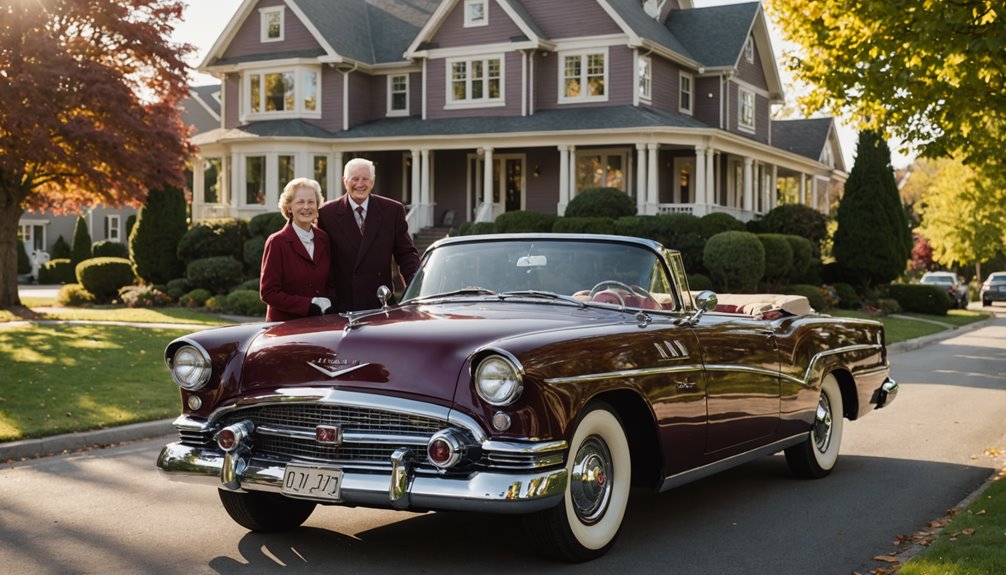
If you own a classic car, you can likely insure it for considerably less than a standard auto policy while still getting coverage that reflects its true value. Classic car insurance uses agreed value coverage, meaning you’ll receive a fixed payout with no...
SR-22 insurance isn’t actually insurance, it’s a certificate your insurer files with the state DMV to prove you carry minimum liability coverage. You’ll typically need one after serious violations like a DUI, driving without insurance, or...
Non-owner car insurance is a liability policy that covers you when you drive a car you don’t own. It follows you as the driver, not the vehicle, so it’s useful if you frequently borrow cars, rent vehicles, or use car-sharing services. It won’t cover...