
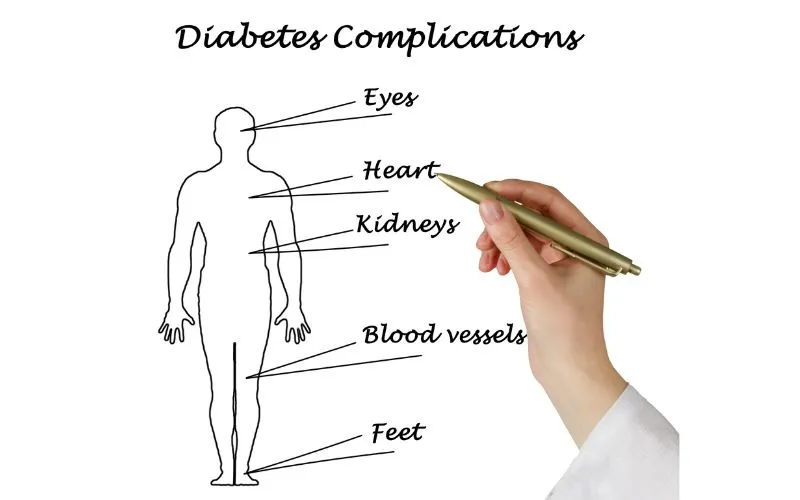
Diabetes is a chronic condition that impairs the body’s capacity to turn food into energy. The two main types, type 1 and type 2 diabetes, involve problems with insulin production and resistance, respectively. This leads to elevated blood glucose levels, a key factor in the development of diabetes complications. The American Diabetes Association provides a comprehensive explanation of these types.
In 2017, diabetes was the direct cause of death for 83,564 people in the United States.
Common Complications of Diabetes
Uncontrolled diabetes can lead to several health complications. These include the following:
- Heart disease (Coronary artery disease)
- Kidney damage (nephropathy) / Kidney failure
- Eye damage (retinopathy)
- Nerve damage (neuropathy)
- Foot damage
- Diabetic ketoacidosis (DKA)
- Obesity
- Foot ulcers
- Hyperglycemia
- Peripheral neuropathy
Heart Disease
Living with diabetes increases the likelihood of developing heart disease, a leading cause of morbidity and mortality globally. When blood sugar levels are poorly controlled, it can lead to blood vessel damage, setting the stage for heart disease.
Regular check-ups, maintaining a balanced diet, and following a structured exercise regimen can substantially mitigate this risk.
Kidney Damage (Nephropathy)
One of the significant complications of diabetes is nephropathy, which refers to kidney damage or kidney failure. Elevated blood sugar levels over time can strain the kidneys, reducing their functionality and potentially leading to kidney failure. To preserve kidney health, keeping your blood sugar and blood pressure levels in check is essential.
Eye Damage (Retinopathy)
Diabetes can significantly affect your vision, leading to conditions like diabetic retinopathy. In addition, unregulated blood sugar levels can damage the small blood vessels in your retina, leading to blurred vision and, in severe cases, blindness. Regular eye examinations can help detect and manage these issues early on, preserving your eyesight.
Nerve Damage (Neuropathy)
Diabetic neuropathy is a form of nerve damage induced by prolonged high blood sugar levels. Symptoms range from tingling, numbness, or pain in the extremities to problems with your digestive system, heart, and blood vessels.
Managing blood glucose levels effectively and adopting a healthier lifestyle can prevent or slow down the progression of neuropathy.
Foot Damage
Diabetes can cause severe foot damage, leading to sores or infections that don’t heal. This is due to poor circulation and nerve damage in the feet.
Routine foot care, including regular checks for changes or injuries, is important in preventing severe foot complications, such as ulcers and possible amputation.
Diabetic ketoacidosis (DKA)
Diabetic ketoacidosis (DKA) represents a severe health risk associated with diabetes, arising when the body generates excessive ketones. This overproduction can disrupt the body’s equilibrium of acids and bases, potentially triggering organ dysfunction, unconsciousness, and in severe cases, mortality if not addressed promptly.
Obesity
Obesity, a severe health issue, often results from dietary habits, insufficient exercise, and genetic predispositions. If not managed effectively, obesity can escalate the chances of encountering grave health complications, including heart disorders, stroke, diabetes, and, potentially, vision impairment.
Foot ulcers
Neglecting foot ulcers can result in severe health complications. Infections and inflammation originating from skin breakdown around the ulcer can trigger serious conditions such as stroke, heart disease, diabetes, and loss of vision, among other complications.
Hyperglycemia
Hyperglycemia, a frequent issue associated with diabetes, can contribute to enhanced infection and inflammation surrounding a wound or ulcer. This, in turn, can cause skin deterioration and trigger additional problems such as postponed recovery, high susceptibility to infections, and an escalated risk of tissue harm.
Peripheral neuropathy
Peripheral neuropathy is a disorder characterized by damage to the peripheral nerves responsible for relaying information between the brain, spinal cord, and the rest of the body. This damage can lead to secondary issues such as protracted healing, elevated risk of infections, and enhanced possibility of tissue damage.
The Link Between Diabetes and Heart Disease
Diabetic people are at a higher risk for heart disease, a complication often referred to as cardiovascular disease. This is primarily due to the damage that high glucose levels can do to blood vessels and nerves. Managing cholesterol levels and blood pressure control are vital to preventing this complication. The American Heart Association offers more in-depth information on this topic.
How Diabetes Affects the Kidneys?
Diabetes can lead to various kidney malfunctions, such as kidney damage or diabetic nephropathy, a severe complication that affects kidney function over time. This is why regular check-ups and screenings are essential, as early detection can slow the progression of kidney disease. The National Institute of Diabetes and Digestive and Kidney Diseases provides resources on this topic.
Diabetes and Eye Health

Diabetes and Eye Health
High glucose levels can damage the small blood vessels present in the eyes, leading to diabetic retinopathy. This damage can cause vision loss if not managed properly. Regular eye check-ups can help detect and treat this condition early. The National Eye Institute provides further information on diabetic eye disease.
Nerve Damage from Diabetes

Nerve Damage from Diabetes
Diabetic neuropathy is another type of nerve damage that can occur with diabetes. High blood sugar can injure the nerves of your whole body. However, diabetic neuropathy most often damages nerves in your legs and feet. The Mayo Clinic provides an overview of diabetic neuropathy.
Preventing Diabetes Complications
Preventing diabetes complications involves careful diabetes management. This includes regular monitoring and control of blood glucose levels, often involving insulin therapy for individuals with type 1 diabetes or a range of diabetes medications for those with type 2.
An HbA1c test can visually represent average blood glucose control for the past 2 to 3 months.
Healthy lifestyle choices and proper medications that can be delivered by Total Diabetes Supply plays a significant role in managing diabetes. This includes a balanced diet with low glycemic index foods, regular physical activity, and maintaining a healthy weight.
An endocrinologist consultation can provide personalized advice and management plans for preventing complications and living well with diabetes.
Conclusion
Managing diabetes and preventing its complications is possible with careful monitoring, medical management, and lifestyle modifications. Regular check-ups, blood glucose control, and attention to heart, kidney, eye, nerve, and foot health are important. Remember, every step towards healthier habits makes a difference in preventing diabetes complications.
FAQs
Q1: What role does genetics play in the onset of diabetes complications?
Answer: Genetics can indeed influence the onset and severity of diabetes complications. Some individuals may be genetically predisposed to certain complications, but a healthy lifestyle and proper management can mitigate these risks.
Q2: Can diabetes complications be reversed?
Answer: Early-stage diabetes complications can often be managed and sometimes reversed with proper treatment and lifestyle modifications. However, severe or long-standing complications may not be reversible, and the focus shifts toward managing symptoms and preventing further progression.
Q3: What steps can pregnant women with diabetes take to prevent complications?
Answer: Pregnant women with diabetes should maintain strict blood sugar control and have regular prenatal checkups. They should also work closely with their healthcare team to manage diet and medication.