

When you’re managing diabetes, understanding Medicaid’s coverage for diabetic supplies can have a substantial impact on your treatment plan. Medicaid covers essential items like insulin, blood glucose monitors, and continuous glucose monitors, ensuring you have access to the tools you need. But understanding the specific documentation and eligibility criteria can be challenging. Each state has its own guidelines, and knowing how to meet these requirements is vital. Are you aware of the steps necessary for obtaining reimbursement for these supplies? Let’s explore the intricacies of Medicaid’s coverage and how you can guarantee you receive the benefits you’re entitled to.
Key Takeaways
- Medicaid covers various types of insulin, including rapid-acting, long-acting, and intermediate-acting.
- Blood glucose monitors, including continuous glucose monitors (CGMs), are often covered by Medicaid.
- Medicaid provides coverage for test strips and lancets, subject to eligibility criteria and proper documentation.
- Insulin pumps from approved brands like Medtronic and Tandem Diabetes Care are covered for eligible individuals.
- Physician-prescribed diabetic supplies require updated prescriptions and proper submission for Medicaid coverage.
Insulin Coverage
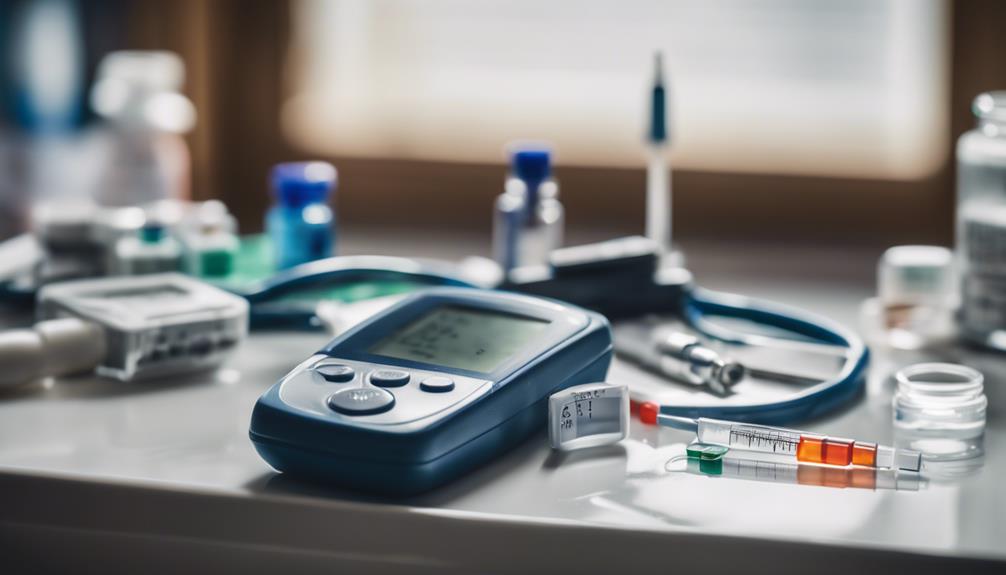
When it comes to dosage guidelines, it’s essential to follow your healthcare provider’s instructions closely. Medicaid recognizes the importance of tailored dosage plans, so it covers consultations and adjustments as needed. This ensures that you’re always on the correct insulin regimen for your condition. The flexibility in dosage guidelines means you can manage your blood sugar levels more accurately, helping you avoid complications.
Medicaid also allows for periodic reviews and adjustments to your insulin dosage. This is crucial because your needs can change over time. By covering these adjustments, Medicaid helps you maintainoptimal health without the stress of high costs.
Blood Glucose Monitors
Blood glucose monitors are important tools that help you keep track of your blood sugar levels daily. These devices come in various monitor types, including traditional finger-stick monitors, continuous glucose monitors (CGMs), and smartphone-compatible devices. Each type offers different features to suit your lifestyle and needs.
When choosing a blood glucose monitor, the device’s accuracy is crucial. Inaccurate readings can result in improper insulin dosing and potential health complications. While most modern monitors adhere to strict accuracy standards, it’s still essential to review product specifications and consult your healthcare provider to find the best fit for your needs.
Traditional finger-stick monitors require manual blood testing, whereas continuous glucose monitors (CGMs) provide real-time data through a sensor placed under the skin, offering more convenience and constant monitoring.
If you’re exploring Medicaid coverage, it’s worth noting that Medicaid often covers a range of blood glucose monitors. However, it’s important to check your specific state’s Medicaid guidelines, as some states may have preferred brands or require prior authorization. Additionally, many diabetic supply manufacturers’ assistance programs can help you access these monitors if you’re struggling with costs, providing an extra layer of support in managing your diabetes effectively.
Test Strips and Lancets
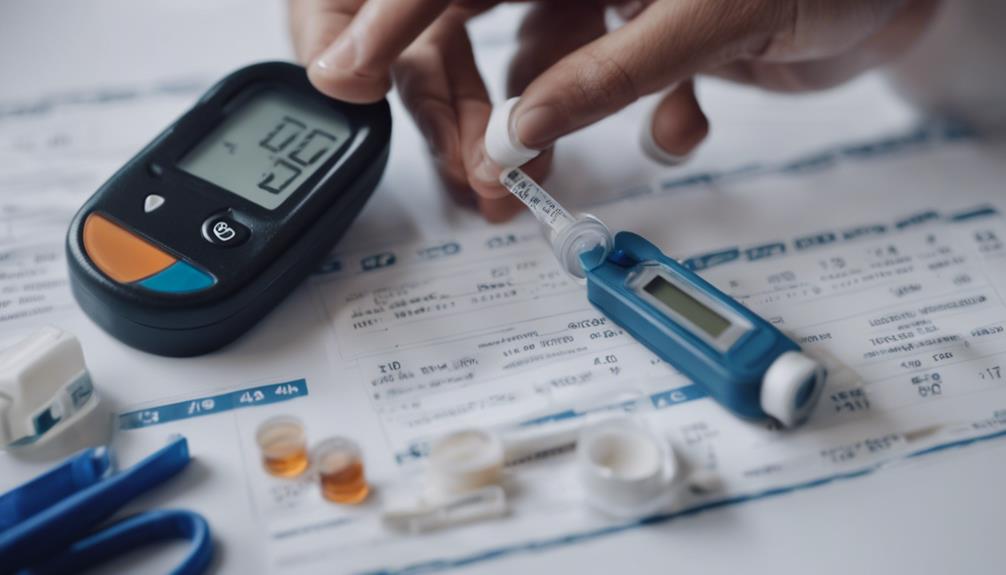
When it comes to test strips and lancets, it’s important to understand Medicaid’s coverage eligibility criteria.
You’ll need to know what documentation is required and how to streamline the reimbursement process.
This knowledge can help guarantee you get the supplies you need without unnecessary hassle.
Coverage Eligibility Criteria
To qualify for coverage of test strips and lancets, you must meet specific medical criteria set by Medicaid. These criteria guarantee that only those who genuinely need these supplies receive them. First, you must have a documented diagnosis of diabetes from a healthcare provider. This diagnosis should be current and clearly indicate the necessity for regular blood glucose monitoring.
Medicaid also has income limits you must meet to qualify for coverage. These limits vary by state, so you’ll need to check your local guidelines to see if your income falls within the acceptable range. Additionally, you must meet residency requirements. You need to prove that you live in the state where you’re applying for Medicaid coverage, typically through documents like a driver’s license or utility bill.
Here’s a quick checklist to help determine if you qualify:
- Documented diagnosis of diabetes
- Meet income limits set by your state
- Residency requirements for your state
Reimbursement Process Simplified
Understanding the reimbursement process for test strips and lancets through Medicaid doesn’t have to be complex if you follow these straightforward steps. First, make sure you have a valid prescription from your healthcare provider for the necessary diabetic supplies.
Next, choose a Medicaid-approved supplier to fill your prescription. This step is important for streamlined claims processing, ensuring you don’t face unnecessary delays.
Once you’ve received your supplies, keep all receipts and documentation. These will be essential for the simplified billing process. Submit your claim to Medicaid promptly, including all required forms and documentation. Make sure your claim is accurate and complete to avoid any potential issues.
Medicaid often works directly with suppliers to handle billing, so in many cases, you won’t need to pay upfront. However, if you do, you can still seek reimbursement by following these steps.
Track your claim status through Medicaid’s online portal or by contacting their customer service. This will help you stay informed about your claim’s progress.
Continuous Glucose Monitors
Continuous glucose monitors (CGMs) offer real-time blood sugar tracking, making diabetes management more efficient and accessible. By wearing a CGM, you can continuously monitor your glucose levels without the need for frequent fingersticks. These devices use a small sensor inserted under your skin to measure glucose levels in the interstitial fluid.
To guarantee accurate readings, sensor calibration is essential. You may need to calibrate your CGM using a traditional blood glucose meter at specific intervals. Once calibrated, the CGM system provides continuous data transmission to a receiver or smartphone app, allowing you to monitor trends and patterns in your glucose levels.
CGMs come with several benefits:
- Real-time alerts: You get immediate notifications for high or low glucose levels.
- Data sharing: You can easily share your glucose data with your healthcare provider for better management.
- Improved lifestyle: Continuous monitoring helps you make informed decisions about diet, exercise, and medication.
Medicaid covers CGMs for eligible individuals, ensuring that you have access to essential diabetes management tools.
Insulin Pumps
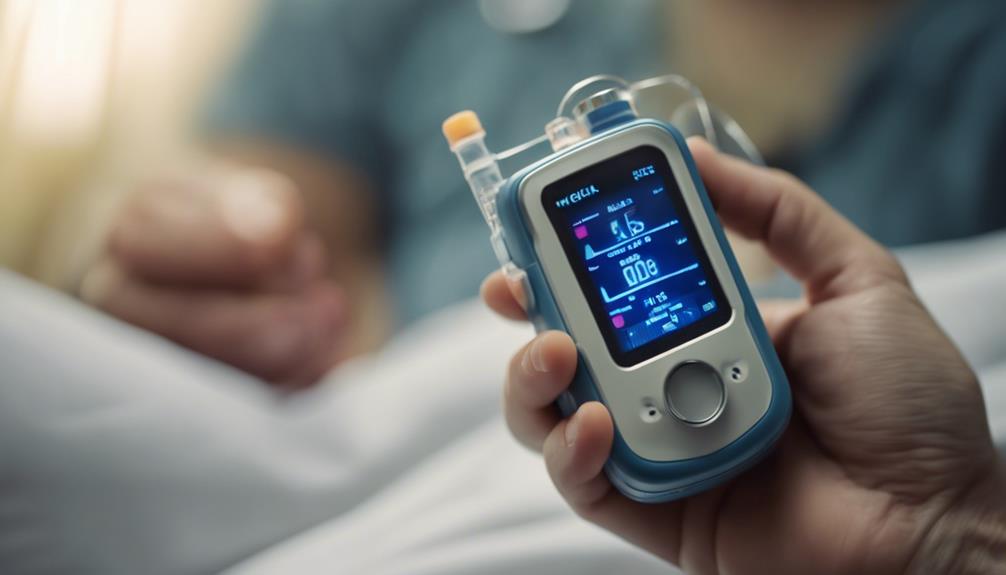
When contemplating an insulin pump, you’ll need to understand Medicaid’s eligibility criteria and required documentation.
It’s also vital to know which insulin pump brands are approved for coverage.
This guidance guarantees you get the necessary support for managing your diabetes effectively.
Eligibility for Coverage
To qualify for Medicaid coverage of insulin pumps, you must meet specific medical criteria and documentation requirements. First, you’ll need to demonstrate that your diabetes management necessitates the use of an insulin pump. This often involves proving that other methods of insulin administration, such as injections, haven’t been effective.
In addition to medical criteria, Medicaid considers your financial situation. You’ll need to meet the income requirements set by your state. These requirements can vary, so it’s important to check your specific state’s guidelines.
Once you’ve confirmed your financial eligibility, you’ll need to navigate the application process. This involves filling out forms, providing proof of income, and submitting medical records.
Here’s a quick overview of the steps:
- Check Income Requirements: Verify that your income falls within the acceptable range for Medicaid in your state.
- Complete the Application Process: Gather the necessary forms and documentation, then submit them according to your state’s procedures.
- Medical Evaluation: Make sure your healthcare provider submits documentation indicating the necessity for an insulin pump.
Necessary Documentation
You’ll need specific documentation to prove the medical necessity of an insulin pump for Medicaid coverage.
First, consult your healthcare provider to confirm you meet Medicaid’s criteria. Your doctor must provide a detailed medical history and a thorough diabetes management plan. This plan should outline why an insulin pump is essential for your health, such as issues with blood sugar control using standard insulin injections.
Documentation guidelines require your physician to submit a Letter of Medical Necessity (LMN). This letter should detail your diabetes diagnosis, previous treatments, and why those treatments are inadequate. It should also highlight any complications you’ve faced and how an insulin pump would address these issues.
Additionally, you’ll need to complete the required paperwork, including Medicaid forms specific to durable medical equipment (DME). These forms typically ask for personal information, insurance details, and a prescription for the insulin pump. Make sure every form is filled out accurately and completely to avoid delays.
Lastly, keep copies of all submitted documents. This helps track your application and provides a reference in case of any issues. Following these documentation guidelines ensures you have the best chance of securing Medicaid coverage for your insulin pump.
Approved Insulin Pump Brands
Among the various insulin pump options, Medicaid specifically covers certain approved brands to guarantee you receive reliable and effective diabetes management. Choosing the right insulin pump can make a significant difference in your daily life, so understanding which brands Medicaid supports and how they compare is crucial.
Medicaid-approved insulin pump brands typically include:
- Medtronic: Known for its advanced technology and user-friendly interface, Medtronic offers extensive support and a strong warranty.
- Tandem Diabetes Care: Tandem’s t:slim X2 pump integrates with continuous glucose monitoring systems, providing real-time data and ease of use.
- Insulet Omnipod: This tubeless option offers flexibility and discretion, making it a popular choice for active individuals.
When making brand comparisons, consider factors like ease of use, integration with other diabetes management tools, and the quality of customer support. Each brand has its unique features, so think about what will best meet your needs.
Additionally, pay attention to the warranty information provided by each manufacturer. A good warranty can protect you from unexpected costs and ensure your pump remains functional over the long term. Always check with your Medicaid plan to confirm specific coverage details for your chosen insulin pump brand.
Prescription Requirements
Understanding the prescription requirements for Medicaid-covered diabetic supplies can be challenging but is crucial for ensuring you receive the necessary equipment and medications. First and foremost, you need a doctor’s approval before Medicaid will cover any diabetic supplies. Your healthcare provider must write a prescription detailing the specific items you need, such as glucose meters, test strips, lancets, and insulin.
The next aspect to take into account is prescription frequency. Medicaid often requires updated prescriptions at regular intervals to continue covering your supplies. For example, some states might need a new prescription every six months or annually, depending on the type of supplies and your medical condition. Your doctor should be aware of these regulations and ensure that your prescriptions are renewed accordingly.
Additionally, make sure your prescriptions are accurate and complete. Any missing information can delay the approval process and leave you without essential supplies. Always double-check that your doctor’s office has submitted everything correctly and keep copies for your records.
Eligibility Criteria
To qualify for Medicaid coverage of diabetic supplies, you must meet specific eligibility criteria set by your state. Each state’s requirements can vary, but generally, you need to meet certain income limits and other guidelines. Here’s a breakdown of what you might expect:
- Income Limits: Make sure your household income falls within the state’s specified range. These limits are usually based on the Federal Poverty Level (FPL), but they can differ greatly from state to state.
- Residency Requirements: You must be a resident of the state where you’re applying for Medicaid. This means you need to have a permanent address within that state.
- Medical Necessity: Your healthcare provider must confirm that the diabetic supplies are medically necessary. This often involves submitting medical records and prescriptions.
Keep in mind that some states might’ve additional criteria, such as age restrictions or requiring you to be a U.S. citizen or legal resident. Understanding your state’s specific requirements is essential for ensuring you get the coverage you need.
If you meet these eligibility criteria, you’ll be one step closer to obtaining Medicaid coverage for your diabetic supplies.
How to Apply
Once you’ve confirmed your eligibility, the next step is to navigate the application process for Medicaid coverage of diabetic supplies. Start by visiting your state’s Medicaid website or local office to obtain the required forms. Each state may have its own specific forms, so make sure you’re accessing the correct ones.
Fill out the required forms with accurate and detailed information. You’ll need to provide personal details, medical history, and proof of income. In some cases, your healthcare provider might need to supply additional medical documentation to support your application. Double-check all entries to avoid delays caused by missing or incorrect information.
Once your forms are complete, submit them through the recommended channels. This could be online, by mail, or in person at your local Medicaid office. Keep copies of all documents for your records.
After submission, follow up to make sure your application is being processed. You might be contacted for further information or documentation, so stay accessible. Approval times can vary, so patience is key. Once approved, you’ll receive instructions on how to access your diabetic supplies under Medicaid coverage.
Frequently Asked Questions
Are Dietary Consultations Covered Under Medicaid for Diabetes Management?
Yes, Medicaid often covers nutritional counseling and meal planning for diabetes management. You should check your specific state’s Medicaid program for details, as coverage can vary. It’s essential for effective diabetes control and overall health.
Does Medicaid Cover Diabetes Education Programs?
Yes, Medicaid often covers diabetes education programs. These programs include preventative education and self-management training to help you manage your condition better. Check your state’s specific Medicaid plan for detailed coverage information.
Are Transportation Costs to Diabetes-Related Medical Appointments Covered by Medicaid?
Yes, Medicaid covers transportation services to diabetes-related medical appointments. You can utilize Medicaid’s medical transport options to guarantee you get to your necessary healthcare visits without worrying about the cost.
Can I Get Coverage for Diabetic Shoes and Orthotics Through Medicaid?
You can get coverage for diabetic shoes and orthotics through Medicaid. They often cover orthotic fittings and footwear maintenance, but you’ll need to check specific state guidelines and get a prescription from your healthcare provider.
Are There Any Medicaid Programs for Diabetes Prevention?
Yes, you can find Medicaid programs focused on diabetes prevention. They often emphasize lifestyle modification and early intervention to help individuals manage their health proactively and reduce the risk of developing diabetes.
Conclusion
To maximize Medicaid’s coverage for diabetic supplies, make sure you understand your state’s guidelines and follow the necessary steps for reimbursement.
With coverage for insulin, blood glucose monitors, test strips, continuous glucose monitors, and insulin pumps, managing diabetes becomes more accessible and affordable.
Stay proactive by consulting with your healthcare provider, meeting prescription requirements, and checking your eligibility criteria.
You can manage your diabetes effectively without breaking the bank.